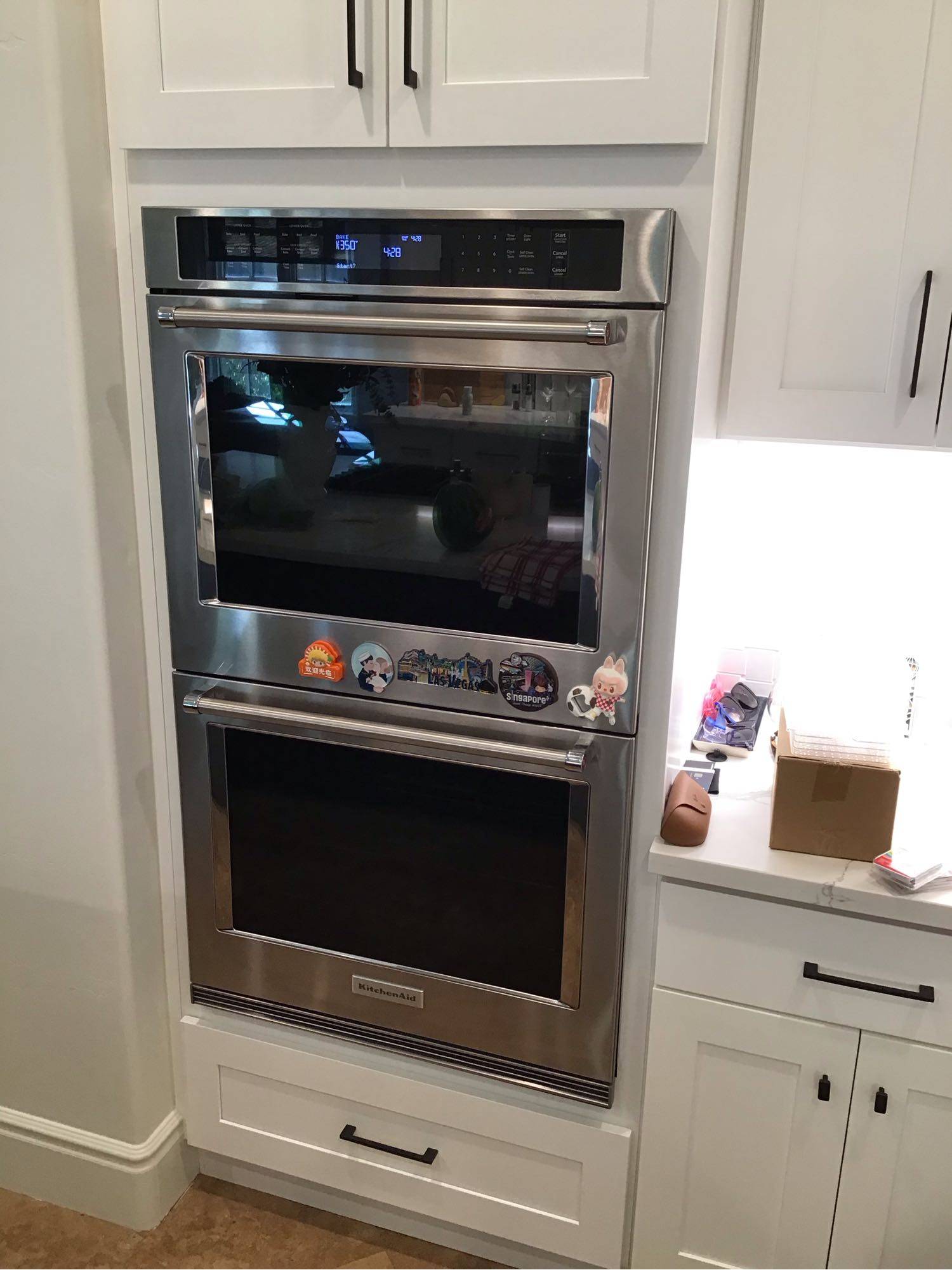
A KitchenAid oven that turns on and produces heat but consistently leaves food undercooked can be difficult to diagnose. The oven may appear to operate normally: the display works, the heating cycle starts, and the interior becomes warm. However, if the actual temperature is significantly lower than the selected setting, food may take much longer to cook or remain raw in the center. Several components can cause this problem, but the temperature sensor and heating elements are among the first parts technicians typically inspect. Understanding the symptoms can help you determine when professional KitchenAid oven repair is necessary.

The Oven May Not Reach the Selected Temperature

One of the most common signs of a temperature-related problem is an oven that heats but never reaches the temperature shown on the control panel. For example, you may set the oven to 400°F, but the interior may only reach a much lower temperature. This can result in pale baked goods, undercooked meat, unevenly roasted vegetables, and recipes that require significantly more time than expected. Before assuming a component has failed, check whether the issue occurs across different cooking modes. If food is consistently undercooked in Bake mode, Broil mode, or convection cooking, a more serious electrical or control problem may be involved.

A Faulty Temperature Sensor Can Cause Incorrect Heating

The temperature sensor monitors the temperature inside the oven cavity and sends information to the electronic control board. The control system uses this information to determine when the heating elements should turn on and off. If the sensor becomes defective, damaged, contaminated, or begins producing inaccurate readings, the oven may incorrectly determine that it has reached the desired temperature. As a result, the heating elements may shut off too early. A sensor problem can produce inconsistent cooking results. You may notice that one recipe turns out reasonably well while another remains undercooked. The difference can depend on cooking time, temperature setting, food quantity, and how sensitive the recipe is to temperature changes. A technician can test the sensor’s resistance and compare the measurement with the manufacturer’s specifications. If the sensor is outside the acceptable range, replacement may be required.

The Bake Heating Element May Be Failing

KitchenAid electric ovens commonly rely on a bake element to provide heat from the bottom of the oven. If this element is damaged or partially burned out, the oven may still warm up, but it may not generate enough heat to cook food properly. A visibly damaged element may show blistering, cracks, separation, or areas that appear burned. However, not every failed heating element has obvious physical damage. An element can also develop an electrical fault that prevents it from heating correctly. In some cases, it may heat only partially, causing the oven to take an unusually long time to reach the selected temperature. Because the heating element operates with high voltage, testing electrical components should be performed with the oven safely disconnected from power and by someone qualified to work on appliances.

The Broil Element Can Also Affect Cooking Performance

The broil element is located near the top of the oven cavity. Depending on the KitchenAid model and cooking cycle, it can contribute to maintaining the desired temperature. If the broil element has failed, you might notice that the oven takes longer to preheat or that food does not brown properly. Some models use both elements during portions of the cooking cycle, so a problem with one heating circuit can affect overall performance. A technician can inspect the element, wiring, terminals, and control components to determine whether the problem originates with the element itself or another part of the heating circuit.

Incorrect Oven Calibration Is Another Possibility

Sometimes the oven is functioning but its temperature calibration is inaccurate. If the appliance consistently runs cooler than the selected setting, the issue may involve calibration rather than a completely failed component. Many KitchenAid ovens allow temperature adjustments through the control panel. However, calibration should not be changed simply because a single meal was undercooked. The most reliable approach is to compare the actual oven temperature with the displayed setting using an appropriate oven thermometer or professional diagnostic equipment. If there is a substantial and repeatable difference, further testing can determine whether calibration, the sensor, or the control board is responsible.

Wiring and Control Board Problems Should Not Be Overlooked

The temperature sensor and heating elements depend on wiring, electrical connections, relays, and the electronic control board. A loose terminal, damaged wire, burned connection, or defective relay can prevent an otherwise functional heating element from receiving the correct power. Control board problems may be harder to identify because the oven can appear normal from the user’s perspective. The display may work, buttons may respond, and the oven may still produce some heat. Professional diagnosis is useful in these situations because replacing the heating element or sensor without testing the rest of the circuit may not solve the problem.

Why You Should Avoid Replacing Parts Based Only on Symptoms

Several KitchenAid oven problems produce similar symptoms. An oven that heats slowly could have a defective bake element, temperature sensor, wiring issue, control board problem, or calibration issue. Replacing parts one at a time can become expensive and may leave the original problem unresolved. A proper diagnostic process identifies which component is actually failing before replacement. If your KitchenAid oven heats but food remains undercooked, pay attention to how long the oven takes to preheat, whether the problem occurs at different temperatures, whether the food cooks unevenly, and whether the oven temperature appears lower than the selected setting. These details can help a technician narrow down the cause. A KitchenAid oven that cannot maintain the correct temperature should be inspected before the problem becomes more disruptive. Reliable oven performance matters for baking, roasting, broiling, and everyday meal preparation. For professional diagnosis and repair, contact Appliance Repair Local. A qualified appliance technician can inspect the temperature sensor, heating elements, wiring, control components, and oven calibration to determine why your KitchenAid oven is not cooking food properly. Contact Appliance Repair Local today to schedule service and get your oven back to reliable cooking performance.