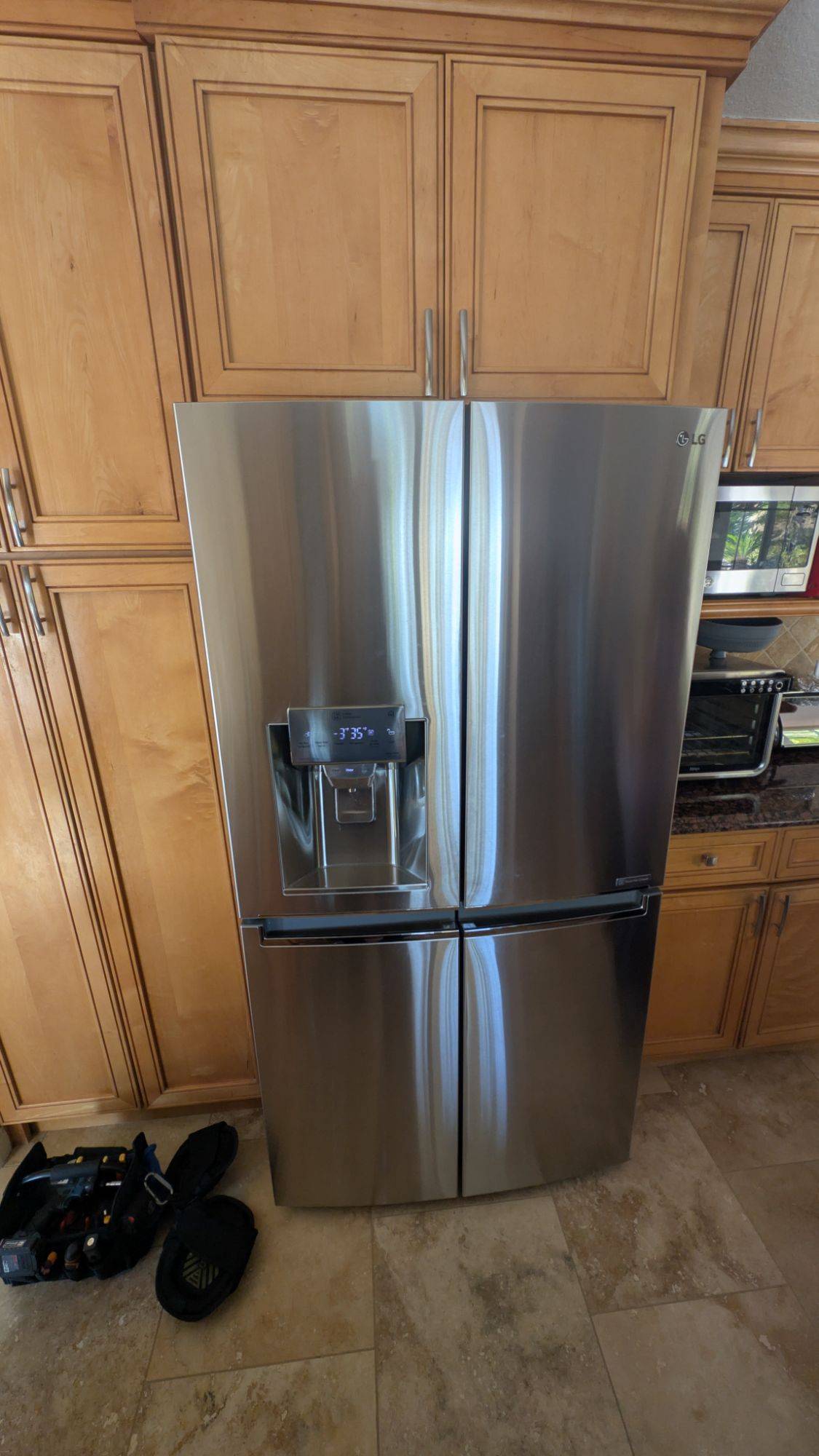
Bosch refrigerators are engineered to provide efficient cooling while maintaining relatively quiet operation throughout the day. Although a compressor naturally produces a certain amount of vibration while circulating refrigerant through the cooling system, excessive shaking, rattling, or persistent mechanical noise may indicate a developing malfunction. Identifying the source of these vibrations early can help homeowners prevent additional component damage, maintain consistent refrigerator temperatures, and avoid expensive repairs.

Understanding the Role of the Refrigerator Compressor

The compressor is one of the most important components of a Bosch refrigerator because it circulates refrigerant throughout the sealed cooling system. By compressing refrigerant and facilitating heat exchange between the evaporator and condenser, the compressor allows the appliance to maintain the temperatures necessary for proper food preservation. During normal operation, the compressor generates minor vibrations as its internal mechanical components move. Manufacturers install specialized mounting assemblies and vibration-dampening materials to absorb this movement and prevent it from transferring to the refrigerator cabinet. When these protective components deteriorate or the compressor develops internal mechanical problems, vibrations may become significantly more noticeable.

Worn or Damaged Compressor Mounts

Compressor mounts are designed to secure the compressor while absorbing mechanical vibrations generated during operation. These mounts typically incorporate rubber or other flexible materials that reduce noise and prevent direct contact between the compressor and surrounding structural components. Over years of continuous operation, exposure to heat and mechanical stress can cause these materials to harden, crack, or lose their elasticity. When the mounting system becomes less effective, compressor vibrations may transfer directly to the refrigerator frame, producing noticeable rattling or shaking. Replacing deteriorated mounting components may resolve excessive vibration without requiring major repairs to the sealed refrigeration system, provided the compressor itself remains in good working condition.

Internal Compressor Mechanical Problems

Excessive vibration may also originate from mechanical deterioration within the compressor. Internal moving components operate under considerable pressure and experience continuous mechanical stress whenever the refrigerator requires cooling. As these components deteriorate, the compressor may develop irregular movement, increased operating noise, or difficulty maintaining consistent refrigerant circulation. Homeowners may notice unusual knocking sounds, prolonged cooling cycles, and inconsistent refrigerator temperatures alongside increased vibration. Because refrigerator compressors are sealed assemblies, internal mechanical damage generally requires professional evaluation and may eventually necessitate compressor replacement. Accurate diagnostics are essential before recommending this type of repair.

Loose Refrigerant Lines

Refrigerant lines connect the compressor to other components within the Bosch refrigerator’s cooling system. These metal tubes are positioned to accommodate normal mechanical movement while maintaining secure connections throughout the refrigeration circuit. When tubing comes into contact with nearby structural components, normal compressor vibrations can produce amplified rattling or buzzing sounds. This situation may develop following appliance transportation, improper installation, or gradual movement of internal components. Refrigerant lines should never be bent or repositioned without appropriate technical knowledge, as damaging these connections could cause refrigerant leakage and compromise the entire cooling system.

Improper Refrigerator Leveling

An uneven installation surface can contribute to excessive vibration even when the compressor operates normally. If a Bosch refrigerator is not properly leveled according to the manufacturer’s installation instructions, mechanical movement may transfer unevenly throughout the cabinet. Loose leveling feet, unstable flooring, and insufficient clearance between the refrigerator and surrounding furniture can amplify operating sounds. Vibrations may become particularly noticeable when the compressor starts or stops because mechanical forces temporarily change during these transitions. Verifying appliance stability and maintaining appropriate installation clearances can help eliminate external factors that contribute to excessive operating noise.

Restricted Airflow and Increased Compressor Workload

Proper airflow around the refrigeration system helps dissipate heat and maintain efficient compressor operation. Dust accumulation around accessible condenser areas, restricted ventilation, and inadequate installation clearances can interfere with heat dissipation. When the refrigerator struggles to release heat effectively, the compressor may operate for longer periods to maintain the selected internal temperatures. Extended operating cycles can make existing vibrations more noticeable and contribute to increased mechanical and thermal stress. Following model-specific maintenance recommendations and keeping ventilation openings unobstructed can help support efficient refrigeration performance.

Warning Signs of a Developing Compressor Failure

Excessive vibration accompanied by additional performance problems deserves particular attention. Homeowners should monitor changes in refrigerator temperatures, unusually frequent compressor operation, persistent mechanical knocking, and repeated clicking during startup attempts. Although these symptoms do not automatically indicate compressor failure, they may suggest that the cooling system requires professional inspection. Continuing to operate a refrigerator experiencing serious mechanical or cooling problems could increase the likelihood of food spoilage and unexpected appliance breakdowns.

Why Professional Refrigerator Diagnostics Are Essential

Several refrigerator components can produce similar operating noises, making it difficult to identify compressor problems based on sound alone. Professional technicians evaluate mounting assemblies, refrigerant lines, electrical components, cooling performance, and compressor operation to determine the underlying cause. A comprehensive inspection helps distinguish relatively straightforward mounting problems from more significant sealed-system malfunctions. This approach allows homeowners to make informed repair decisions while avoiding unnecessary component replacements and expenses.

Restore Reliable Cooling With Professional Bosch Refrigerator Repair

Excessive compressor vibration should be investigated before it develops into a more serious refrigeration problem. Whether the issue involves deteriorating compressor mounts, loose refrigerant lines, restricted ventilation, or internal mechanical damage, timely diagnostics can help protect the appliance and maintain dependable cooling performance. Appliance Repair Local provides professional Bosch refrigerator diagnostics and repair services. Our technicians can identify the source of unusual vibrations and recommend an appropriate repair solution based on your appliance’s condition. Contact Appliance Repair Local today to schedule refrigerator service and restore quiet, efficient, and reliable operation.