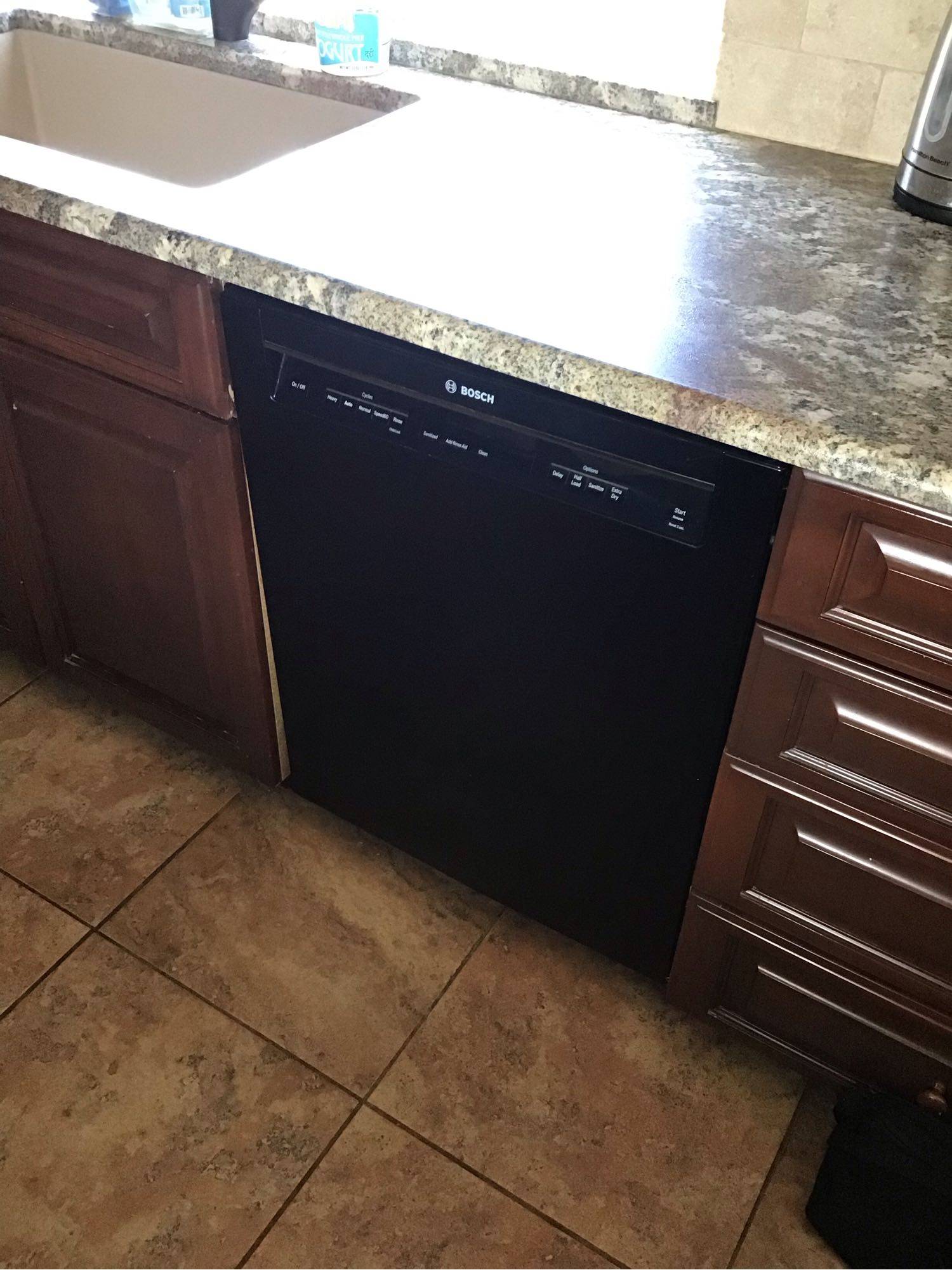
Finding water underneath an LG dishwasher can be frustrating, especially when the appliance appears to be running normally. A small puddle after a cycle may seem harmless, but leaks usually indicate that water is escaping from a component that should remain sealed. If the problem is ignored, repeated moisture can damage flooring, cabinets, wiring, and other parts of the dishwasher. Several components can cause an LG dishwasher to leak from underneath. Common possibilities include a worn pump seal, damaged drain hose, loose connection, or a cracked tub. Identifying the source early can prevent a relatively simple repair from becoming a more expensive problem.

A worn pump seal can cause an underneath leak

The circulation and drain pump assemblies handle a large amount of water during every dishwasher cycle. Seals around these components are designed to keep water inside the system while the pump operates. Over time, a pump seal can deteriorate because of normal wear, heat, detergent exposure, or age. When the seal loses its ability to keep water contained, water may begin escaping around the pump assembly and eventually appear underneath the dishwasher. A pump-related leak may become more noticeable during certain stages of the cycle. For example, water may appear when the circulation pump is operating or when the dishwasher is draining. The exact location of the puddle does not always indicate the exact source because water can travel along the bottom of the appliance before reaching the floor. If the pump or its seal is damaged, replacing the appropriate component may be necessary.

A damaged or loose drain hose can leak

The drain hose carries wastewater away from the dishwasher. It is connected to the dishwasher and typically routes toward a sink drain, garbage disposal, or another drainage connection. A hose can develop cracks, become loose at a connection point, or deteriorate over time. A clamp that has loosened can also allow water to escape during draining. Drain hose problems often produce a leak toward the end of the cycle, when the dishwasher is removing dirty water. In some cases, the dishwasher may complete the wash program while leaving water on the floor. Checking the hose and its connections can help identify an obvious problem, but access may require moving the dishwasher. Because water and electrical components are located in the same appliance, inspection should be performed carefully.

Tub damage can create a more serious leak

The dishwasher tub holds water throughout the wash cycle. If the tub develops a crack or other damage, water can escape directly into the lower portion of the appliance. Tub damage may result from age, physical impact, corrosion, or other deterioration. Depending on the location and size of the damage, the leak can range from a slow drip to a significant amount of water escaping during operation. A damaged tub can be more complicated to repair than a loose hose or connection. In some situations, replacing the affected component may be possible. In others, the overall condition and construction of the dishwasher must be evaluated to determine the appropriate repair.

Other components may also be involved

Although the pump seal, drain hose, and tub are common areas to investigate, they are not the only possible sources of an LG dishwasher leak. Water can also escape because of loose fittings, damaged seals, leaking valves, or problems around other internal connections. A door gasket can also allow water to escape, and that water may eventually travel toward the bottom of the appliance and appear to be coming from underneath. The dishwasher’s leveling can also matter. If the appliance is not positioned correctly, water may not remain where it is supposed to during operation. For this reason, simply drying the floor and running another cycle may not solve the problem. The source of the water needs to be identified.

What to do when your LG dishwasher is leaking

If you notice water underneath your dishwasher, stop using the appliance until the source of the leak has been checked. If water is accumulating near electrical connections or the dishwasher is leaking heavily, disconnecting the appliance from power and shutting off its water supply can help reduce the risk of further damage. Avoid repeatedly running wash cycles to see whether the leak happens again. Each cycle can introduce more water into the affected area and potentially increase damage to the flooring or surrounding cabinetry. A professional technician can inspect the bottom of the dishwasher, check the pump and seals, examine the drain hose and connections, and look for signs of tub damage. Proper diagnosis is important because replacing the wrong component will not solve the underlying problem.

Get professional LG dishwasher repair

An LG dishwasher that leaks from underneath should not be ignored. A worn pump seal, damaged drain hose, cracked tub, or another leaking component can allow water to reach areas that were never designed to stay wet. If your dishwasher is leaving water on the floor, contact Appliance Repair Local to schedule professional appliance repair service. A technician can inspect the dishwasher, identify the source of the leak, and determine what needs to be repaired or replaced.