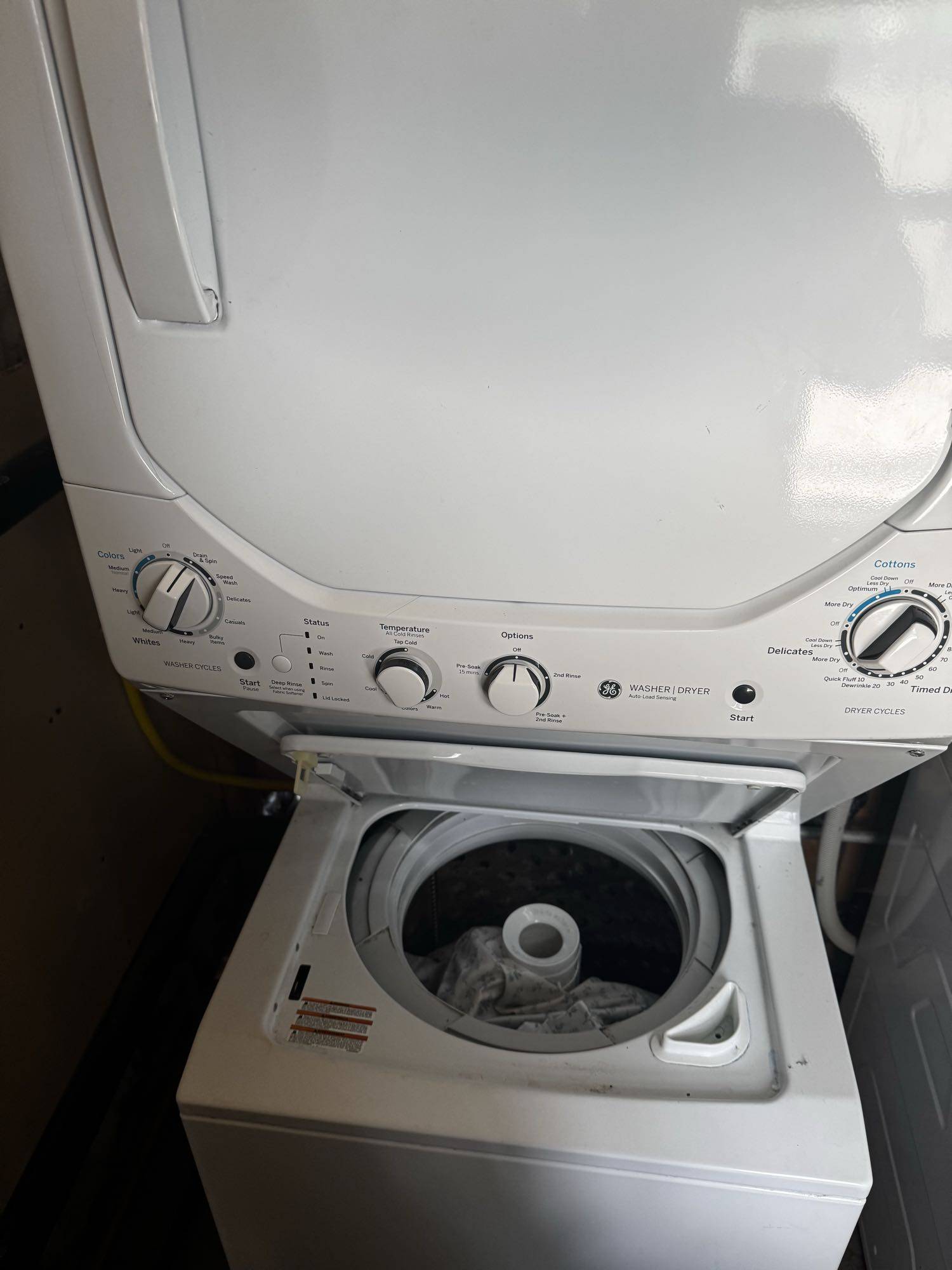
A Kenmore Elite washing machine that leaks during the spin cycle should not be ignored. Water appearing underneath the washer may seem like a minor inconvenience, but a leak can damage flooring, cabinets, and nearby electrical components. The timing of the leak can also provide useful information about where the problem may be located. If your Kenmore Elite washer remains dry during filling and washing but begins leaking when the drum spins at high speed, two common areas to inspect are the tub seal and the drain system. However, other components can also cause water to escape, so identifying the exact source is important before replacing parts.

Why Does the Washer Leak During Spin?

The spin cycle places additional stress on several washing machine components. The drum rotates quickly, water is expelled from the clothes, and the drain system has to move a large volume of water away from the tub. A component that does not leak noticeably during a slower wash cycle may begin leaking when the machine reaches high-speed spin. The leak may therefore appear to be caused by the spin cycle itself, even though the underlying problem may involve a worn seal, damaged hose, loose connection, or drainage issue.

Worn Tub Seal

The tub seal is one of the components that can cause a Kenmore Elite washer to leak from underneath the machine. Its purpose is to prevent water from escaping around the rotating tub and associated shaft assembly. Over time, the seal can become worn, cracked, hardened, or damaged. Detergent residue, age, friction, and repeated exposure to water can contribute to deterioration. A damaged tub seal may produce a leak that becomes more noticeable as the drum spins. In some cases, water may run down the inside of the cabinet before appearing on the floor, making the actual source difficult to identify. If the seal has failed, replacing only the visible part of the washer may not solve the problem. The surrounding components should also be inspected for signs of corrosion or damage.

Damaged or Loose Drain Hose

The drain hose is another common source of water leaks. During the spin and drain portions of the cycle, the washer pumps wastewater through the drain hose. A hose that is cracked, split, loose, or incorrectly connected can leak when water is being discharged at higher flow rates. Check the hose connections at the back of the washing machine and where the hose enters the household drain. A loose clamp or damaged connection may allow water to escape during draining. A partially damaged hose can be particularly difficult to diagnose because it may only leak when water pressure or flow increases. The washer may therefore appear completely normal during other portions of the cycle.

Clogged or Restricted Drain System

A blockage in the drain hose, pump, or household drain can also contribute to leaks. When water cannot leave the machine efficiently, pressure and water levels in the drainage system can increase. Water may then escape through a weak connection or damaged component. Small objects such as coins, lint, fabric pieces, and other debris can interfere with drainage. If the washer is also taking longer than usual to drain, leaving water in the drum, or producing unusual pump noises, the drainage system should be inspected.

Damaged Door or Boot Seal

Although a tub seal and drain hose are important suspects, they are not the only possible causes. A damaged door boot or gasket can allow water to escape from the front of the washer. This may become more noticeable during high-speed spinning because movement inside the drum can increase water contact with the gasket. Inspecting the door seal for tears, deformation, trapped objects, or excessive detergent buildup can help identify this type of problem.

How to Locate the Leak

The location of the water on the floor can provide a useful starting point, but it does not always identify the failed component. Water found directly beneath the center of the washer may point toward an internal tub or seal problem. Water near the rear may indicate a drain hose or connection issue. Water appearing at the front could involve the door gasket or another component. Because water can travel along internal surfaces before reaching the floor, a professional diagnosis is often necessary. Continuing to operate a leaking washing machine can also increase the risk of secondary damage.

Should You Keep Using a Leaking Kenmore Elite Washer?

It is better to stop using the washer until the source of the leak has been identified. Repeated cycles can allow water to reach areas that should remain dry, including electrical connections and other internal components. A small leak can also become significantly worse during a high-speed spin. Before inspecting the machine, disconnect the power and close the water supply. Avoid removing internal components unless you are familiar with appliance repair procedures.

Professional Kenmore Elite Washer Repair

A Kenmore Elite washing machine that leaks during spin requires more than simply drying the floor and running another cycle. The tub seal, drain hose, drain pump, connections, door gasket, and other relevant components may need to be inspected to determine where the water is escaping. A proper diagnosis helps identify the actual cause instead of replacing parts unnecessarily. If the washer is leaking during the spin cycle, arrange an inspection before the problem causes additional damage. Need help with a leaking Kenmore Elite washing machine? Contact Appliance Repair Local to schedule professional appliance repair service and have the source of the leak properly diagnosed.