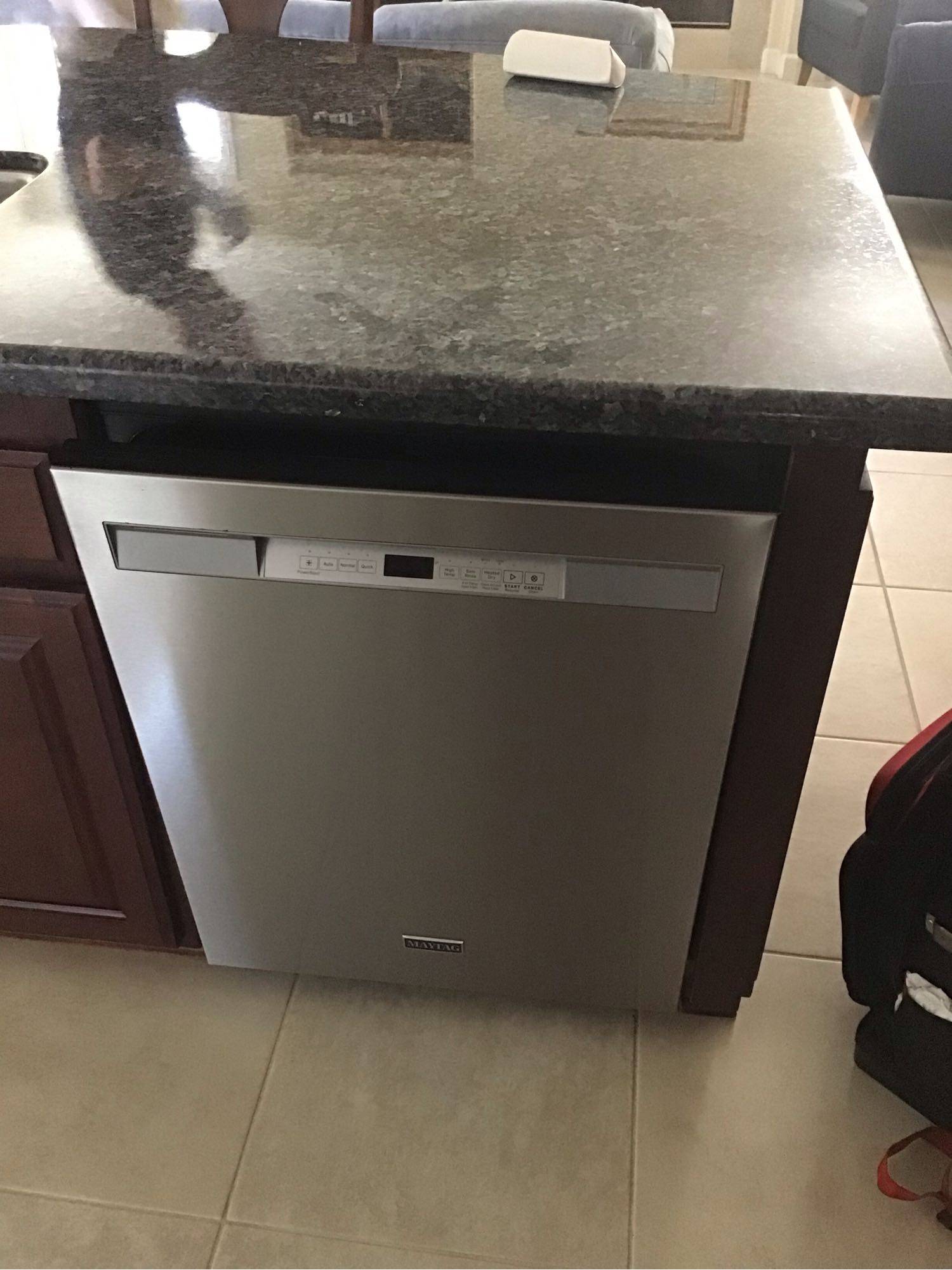
A small amount of water can sometimes remain in the bottom of a dishwasher sump by design, but visible standing water covering the bottom of the tub after a completed cycle usually deserves attention. If a Frigidaire dishwasher finishes washing and leaves several inches of water behind, the machine may have a drainage problem. Two common causes are a blocked drain hose and a failing drain pump. Other components, including the filter, drain connection, air gap, garbage disposal connection, or electrical controls, can also prevent the dishwasher from removing water properly. Identifying the source early can help prevent unpleasant odors, poor cleaning results, and additional damage.

Why Does a Frigidaire Dishwasher Leave Water Behind?

During a normal cycle, dirty water is pumped out through the dishwasher’s drain system. Near the end of the cycle, the drain pump activates and pushes wastewater through the drain hose and into the household drainage system. When this process is interrupted, water remains inside the tub. One of the simplest causes is a clogged filter. Food particles, grease, and other debris can accumulate around the filter and restrict water flow. If the dishwasher has not been cleaned regularly, buildup may become significant enough to affect drainage. A blocked drain hose is another frequent possibility. The hose can become restricted by food residue, grease, or debris. It can also become kinked underneath the sink or behind the dishwasher. Even a partial obstruction can reduce drainage enough to leave water behind after the cycle.

Drain Hose Blockage

The drain hose provides the path for wastewater to leave the dishwasher. If water cannot move through the hose freely, the pump may run but fail to remove all of the water. A hose problem can develop gradually. You may first notice that the dishwasher takes longer than usual to drain. Later, water may remain in the bottom after every cycle. The hose connection should also be considered. Depending on the installation, the dishwasher may drain through an air gap, garbage disposal, or another plumbing connection. A blockage at one of these points can produce symptoms that look like a dishwasher pump failure. A kinked hose is another possibility. If the hose has been moved, compressed, or installed incorrectly, wastewater may have difficulty passing through it.

Drain Pump Failure

The drain pump is responsible for moving wastewater out of the dishwasher. If the pump motor becomes weak, damaged, or obstructed, the dishwasher may leave standing water even when the drain hose is clear. A failing pump can produce several warning signs. You may hear an unusual humming, buzzing, grinding, or clicking noise during the drain portion of the cycle. In some cases, the pump may run intermittently or stop working completely. Debris can also become lodged near the pump impeller. Small pieces of broken glass, food, labels, or other objects may interfere with the pump’s operation. If the pump receives power but does not operate correctly, testing may be necessary to determine whether the component should be cleaned, repaired, or replaced.

Check the Filter and Drain Area

Before assuming that the drain pump has failed, the dishwasher’s filter and visible drain area should be inspected. A heavily clogged filter can restrict drainage and contribute to standing water. Turn off the dishwasher before inspecting internal components. Remove and clean the filter according to the manufacturer’s instructions. Look for visible debris around the filter and sump area, but avoid reaching into areas where sharp objects or broken glass may be present. If cleaning the filter does not solve the problem, the restriction may be farther down the drainage path.

Could the Garbage Disposal Cause the Problem?

If the dishwasher drains into a garbage disposal, the disposal connection should also be considered. A blockage at the dishwasher inlet can prevent wastewater from leaving the appliance. This can happen after a disposal installation or replacement if the dishwasher drain connection was not properly prepared. The dishwasher may operate normally during washing but fail to drain at the end of the cycle. Plumbing restrictions can also cause water to back up into the dishwasher. If the dishwasher drains poorly while the sink or disposal is also draining slowly, the problem may extend beyond the appliance itself.

When Professional Service Is Needed

Standing water that repeatedly returns after cleaning the filter usually indicates that further troubleshooting is needed. A technician can inspect the drain hose, pump, electrical connections, drain path, and related components to determine why the dishwasher cannot complete the drainage process. Professional diagnosis is especially useful when the dishwasher makes unusual noises, stops draining completely, trips a breaker, or shows signs of leaking. Continuing to operate a dishwasher with a drainage problem can leave dirty water inside the tub between cycles. This may create odors and allow residue to accumulate inside the appliance. If a component such as the drain pump is failing, repeated use may also make the problem more difficult to diagnose.

Get Frigidaire Dishwasher Repair

If your Frigidaire dishwasher has standing water after the cycle, the cause could be a clogged drain hose, restricted filter, blocked connection, or failing drain pump. The right repair depends on finding the actual source of the drainage problem rather than replacing parts unnecessarily. For professional troubleshooting and dishwasher repair, contact Appliance Repair Local. A technician can inspect the drainage system, identify the faulty component, and recommend the appropriate repair. Contact Appliance Repair Local to schedule Frigidaire dishwasher service and get your dishwasher draining properly again.