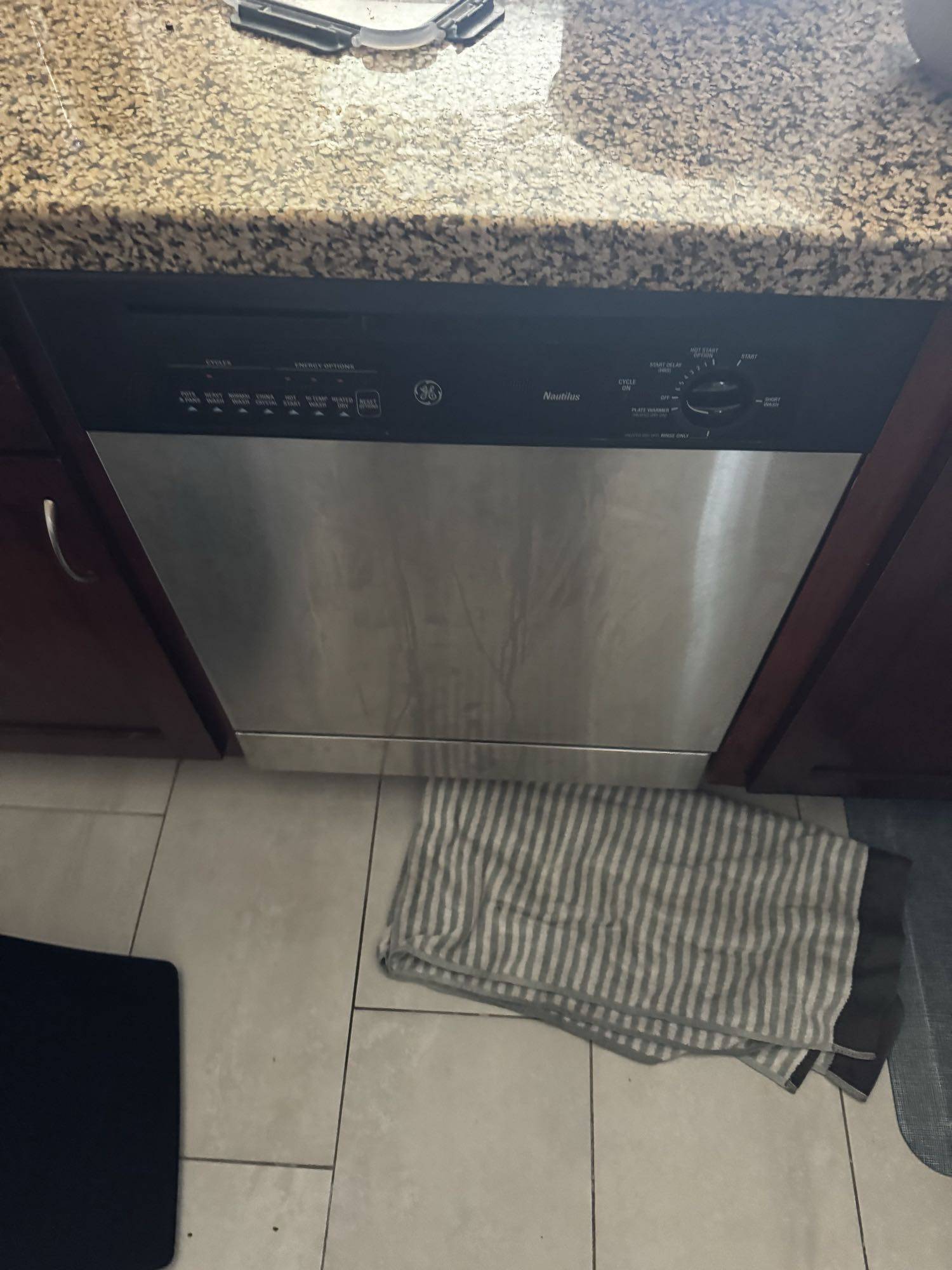
A GE dishwasher that repeatedly trips the circuit breaker should not be ignored. When the breaker shuts off during a wash cycle, it is protecting the electrical system from a potentially dangerous condition such as excessive current, a short circuit, or an electrical component that has started to fail. The timing of the trip can provide useful information. If the dishwasher runs normally at first and the breaker trips later in the cycle, the problem may involve a component that activates after filling and washing, such as the heating element. If the breaker trips as soon as the dishwasher starts, the circulation or drain pump, wiring, or another electrical component may be involved. Because a dishwasher combines water and electricity, diagnosing an electrical fault requires care. Resetting the breaker repeatedly without identifying the cause can place additional stress on the appliance and electrical circuit.

Heating Element Problems

The heating element is one of the components worth checking when a GE dishwasher trips the breaker during the heating portion of the cycle. The element heats the water and helps dry dishes. Over time, it can develop cracks, insulation damage, or an electrical short. If the element has deteriorated, it may draw more current than expected when it turns on. The dishwasher may complete the initial wash stages and then trip the breaker when the heating element is energized. A damaged heating element may also show visible signs of deterioration, such as blistering, discoloration, or physical damage. However, some electrical faults are not visible, so appearance alone cannot confirm whether the element is functioning correctly. A technician can test the element for electrical continuity and check whether it is shorting to ground. If the element is defective, replacing it may resolve the breaker-tripping problem.

Pump Motor Failure

The circulation pump and drain pump also contain electrical motors that can cause a breaker to trip. The circulation pump moves water through the spray arms during the wash cycle. If its motor becomes worn, partially seized, or electrically damaged, it may draw excessive current when operating. A dishwasher can therefore appear normal during filling and then trip the breaker when the circulation pump starts. The drain pump can create similar symptoms. If the motor has an internal electrical fault or becomes difficult to turn because of debris or mechanical damage, it may overload the circuit when activated. Unusual humming, buzzing, grinding, or a dishwasher that stops during washing or draining can provide additional clues. However, these symptoms can have several possible causes, so the pump should be electrically and mechanically inspected before replacement.

Wiring and Electrical Connections

Damaged wiring is another possible reason a GE dishwasher repeatedly trips the breaker. Wires inside or underneath the dishwasher can become damaged by heat, vibration, moisture, or movement. A loose connection may also create resistance and heat at the connection point. In more serious cases, damaged insulation can allow a wire to contact another conductor or a grounded metal component. The power connection should also be inspected. Depending on the installation, the dishwasher may be connected through a junction box or another approved electrical connection. Loose terminals, burned connections, or damaged wiring can cause intermittent electrical faults. If there is a burning smell, visible scorching, melted insulation, or evidence of overheating, stop using the dishwasher and have it inspected before operating it again.

Why the Timing of the Breaker Trip Matters

When troubleshooting a dishwasher, technicians often pay attention to exactly when the breaker trips. If it happens immediately after the dishwasher starts, the issue may involve the power connection, wiring, control components, or a motor that activates at the beginning of the cycle. If the dishwasher fills and washes normally but trips when the water should begin heating, the heating element becomes a more likely area to investigate. If the breaker trips during draining, the drain pump or related wiring may need inspection. These patterns can narrow the diagnosis, but they do not prove which component has failed. Modern dishwashers have several electrical components that operate at different stages of a cycle, so proper testing is important.

Should You Keep Resetting the Breaker?

Repeatedly resetting a breaker is not a repair. The breaker is designed to interrupt power when it detects an unsafe electrical condition. If it trips again, continuing to reset it can expose the appliance, wiring, and electrical system to unnecessary stress. Do not bypass the breaker or use an extension cord to keep the dishwasher running. If the appliance repeatedly causes the circuit to trip, discontinue use until the cause has been identified. A qualified appliance technician can inspect the dishwasher, test the heating element and pump motors, examine wiring and connections, and check other electrical components that could be responsible.

Professional GE Dishwasher Repair

A GE dishwasher that trips the circuit breaker can have several possible causes, from a failed heating element to a defective pump motor or damaged wiring. Identifying the exact fault helps prevent unnecessary part replacement and reduces the risk of the problem returning. If your GE dishwasher keeps tripping the breaker, contact Appliance Repair Local for professional dishwasher repair. A technician can diagnose the electrical problem and determine which component needs attention. Call Appliance Repair Local to schedule GE dishwasher repair and get the problem properly diagnosed.