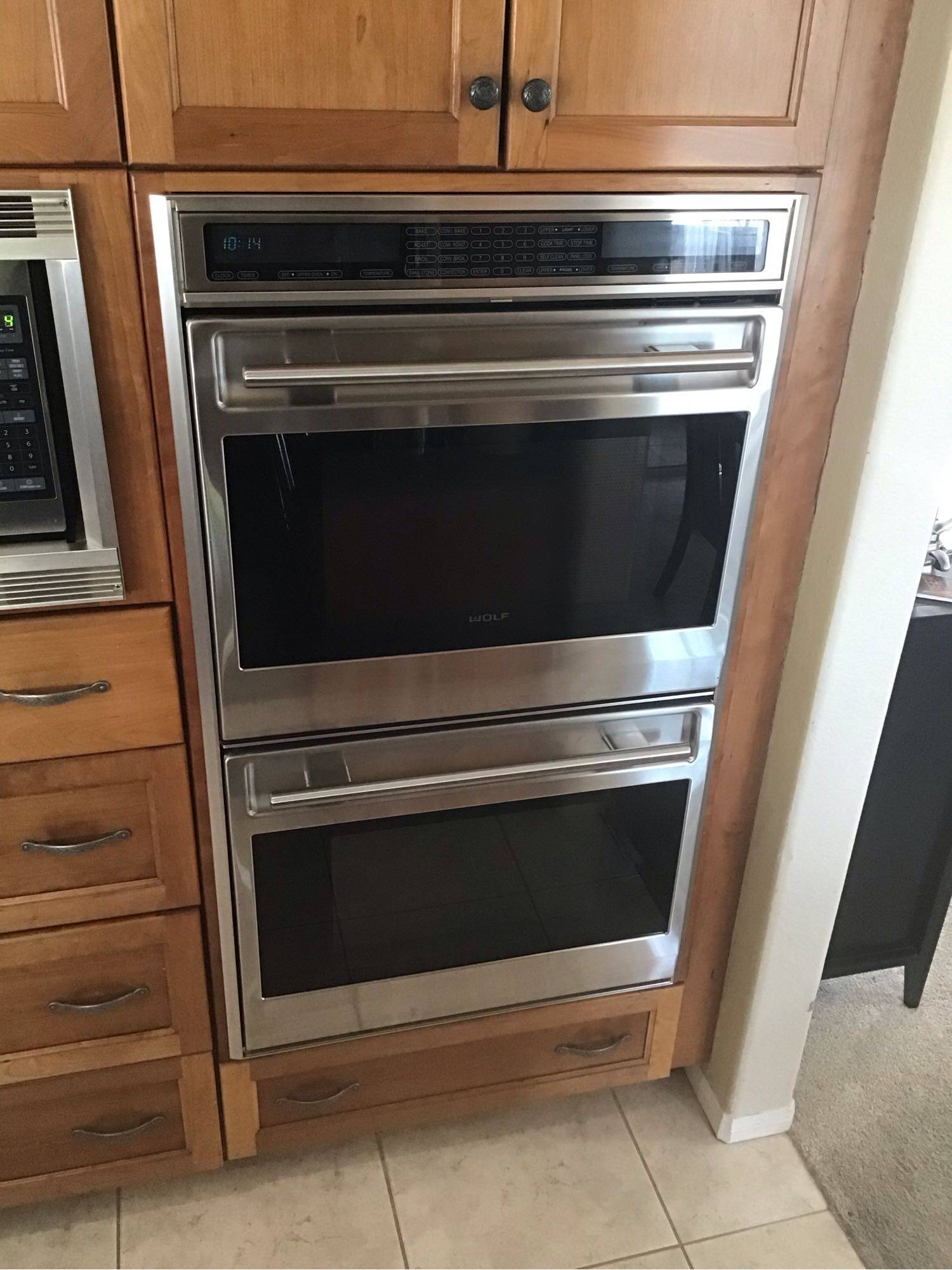
An LG oven that refuses to heat can quickly disrupt your cooking routine. Whether you are preparing dinner, baking desserts, or reheating meals, a malfunctioning oven makes everyday kitchen tasks difficult. If your LG oven turns on but remains cold, heats unevenly, or struggles to reach the selected temperature, the problem may involve a defective bake element, faulty temperature sensor, damaged wiring, or malfunctioning electronic control board. Understanding these possible causes can help you recognize warning signs and determine when professional LG oven repair is necessary.
One of the most common reasons an electric LG oven stops heating is a failed bake element. The bake element is responsible for generating much of the heat required during baking. Depending on the oven model, it may be visible at the bottom of the oven cavity or concealed beneath an interior panel. Over time, repeated heating and cooling cycles can cause the element to deteriorate, crack, or develop an electrical failure. When this happens, the oven may turn on normally while producing little or no heat.
A defective bake element may cause several noticeable symptoms. Food may take longer to cook, the oven may fail to reach the selected temperature, or the bottom of baked dishes may remain undercooked. In some cases, a damaged element develops visible blisters, cracks, or burn marks. However, not every failed heating element shows obvious physical damage. Professional technicians can test electrical continuity and determine whether the element requires replacement.
Another possible cause is a malfunctioning oven temperature sensor. This component monitors the temperature inside the oven cavity and sends information to the electronic control system. The control board uses these readings to regulate heating cycles and maintain the selected temperature. If the sensor becomes defective, it may provide inaccurate readings, causing the oven to heat insufficiently, overheat, or stop heating altogether.
Temperature sensor problems can be difficult to identify without proper diagnostic equipment. The oven may appear to operate normally, but the actual temperature may differ significantly from the selected setting. You might notice inconsistent baking results, unusually long preheating times, or error codes appearing on the display. A qualified appliance repair technician can measure the sensor’s resistance and compare the results with LG specifications to determine whether replacement is necessary.
The electronic control board is another component that can prevent an LG oven from heating. This board coordinates essential functions, including temperature regulation, heating element activation, and cooking cycle management. If a relay, circuit, or other electronic component fails, the oven may stop supplying power to the heating elements. In some cases, the display and control buttons continue working even though the oven produces no heat.
Control board failures may develop because of electrical surges, component aging, excessive heat exposure, or internal electrical damage. Common symptoms include inconsistent heating, unresponsive cooking functions, unexpected shutdowns, and error messages. Since electronic control boards can be expensive, accurate diagnostics are important before replacing them. A professional technician should verify that the heating elements, sensors, and electrical connections are functioning correctly.
Damaged wiring or loose electrical connections can also interrupt oven heating. Electric ovens operate with high-voltage electrical circuits, and deteriorating wires may prevent power from reaching the bake or broil elements. Heat exposure, vibration, and aging connections can contribute to electrical problems. Warning signs may include intermittent heating, unusual odors, visible discoloration near connections, or a circuit breaker that repeatedly trips. If you notice burning smells, sparks, or repeated breaker trips, stop using the appliance and arrange professional inspection.
For LG gas ovens, heating problems may involve different components. A weak or failed igniter is a common cause of a gas oven that does not heat properly. The igniter must become hot enough and draw sufficient electrical current to allow the gas safety valve to open. If it becomes weak, the oven may take unusually long to ignite or fail to heat completely. Other possible causes include gas valve problems, ignition system faults, or control-related failures. Gas appliance repairs should always be handled by qualified professionals.
A malfunctioning thermostat or temperature regulation system may also affect heating performance, depending on the LG oven model. Some ovens use electronic sensors and control boards, while others incorporate additional temperature-limiting or safety components. When these systems malfunction, the oven may fail to maintain consistent temperatures or stop heating as a protective measure. Professional testing can determine whether a temperature regulation component is responsible.
Before scheduling service, homeowners can perform a few basic checks. Confirm that the oven is connected to power, verify the selected cooking mode, and make sure delayed-start settings are not activated. For electric ovens, check whether the cooktop operates normally, although functioning burners do not guarantee that the oven is receiving the correct voltage. If the oven displays an error code, record it for the technician. Avoid removing panels or testing internal electrical components without appropriate training.
Ignoring oven heating problems can lead to additional inconvenience and potentially unsafe operating conditions. A malfunctioning oven may produce inconsistent cooking temperatures, waste energy through extended cooking cycles, or place unnecessary stress on other components. Continuing to use an appliance with damaged wiring or electrical faults can create serious safety risks. Timely professional diagnostics help identify the actual problem and reduce unnecessary component replacement.
Regular maintenance can help maintain reliable oven performance. Keep the oven interior clean, avoid allowing spills to accumulate around heating components, and inspect door seals for visible damage. Follow LG’s recommended cleaning procedures and avoid using abrasive materials on sensitive components. If heating performance changes suddenly, arrange an inspection rather than repeatedly operating the appliance at higher temperature settings.
If your LG oven won’t heat, the problem may involve a failed bake element, defective temperature sensor, malfunctioning control board, or another electrical or mechanical component. Accurate diagnosis is essential for restoring safe and consistent cooking performance. Appliance Repair Local provides professional oven diagnostics and repair services to help identify heating problems and recommend appropriate solutions. Whether your LG oven remains cold, heats unevenly, or takes too long to preheat, professional service can help restore its performance. Contact Appliance Repair Local today to schedule LG oven repair and get your kitchen appliance working properly again!