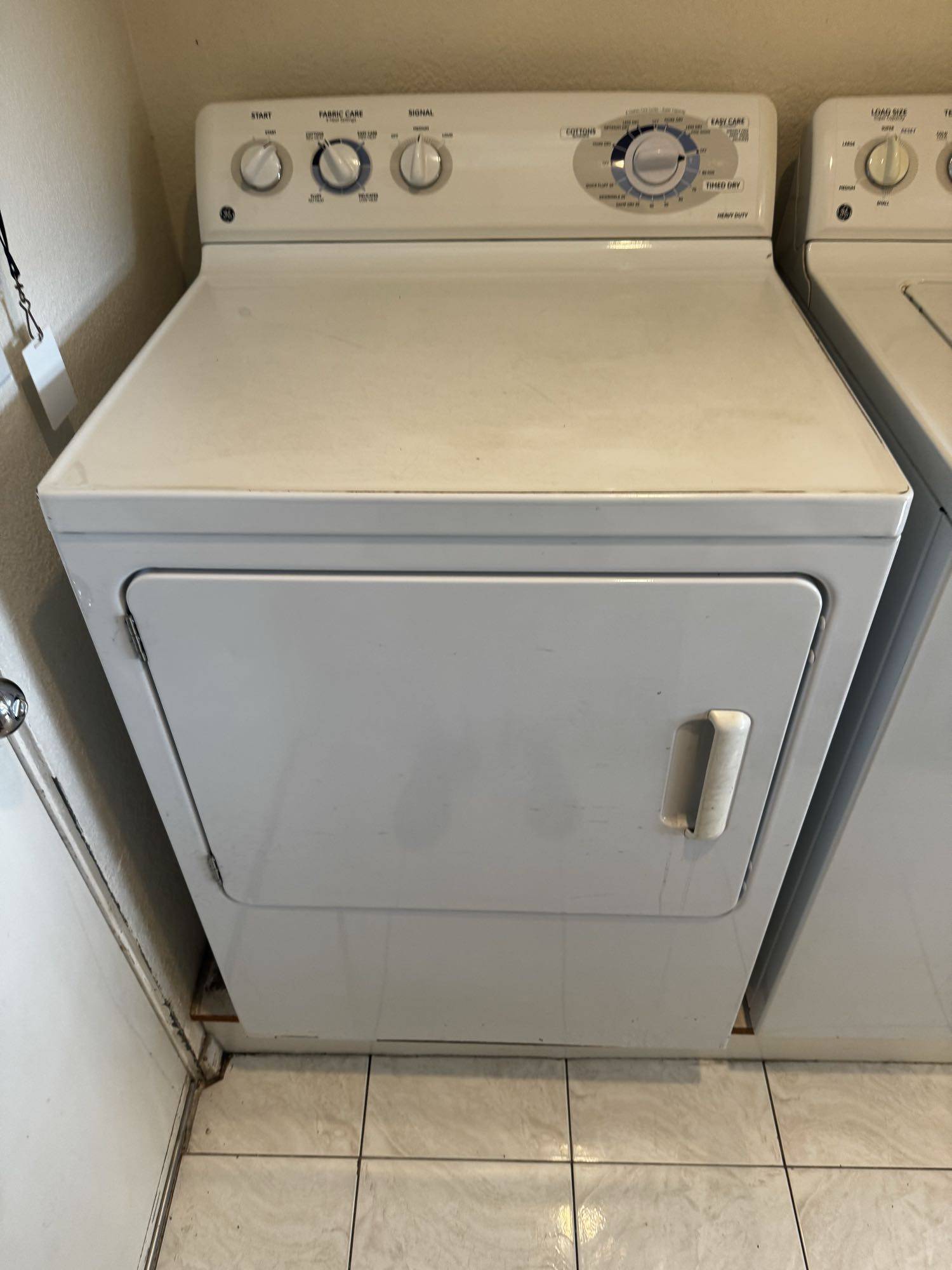
A GE washing machine can turn on normally, fill with water, and still refuse to begin the actual wash cycle. In some cases, the machine may remain stuck after you press Start. In others, you may hear a click from the lid area, but the drum never begins moving. When a GE washer does not start the wash cycle, the problem can involve several components. Two important possibilities are the lid lock assembly and the electronic control board. Identifying which part is failing requires checking how the washer behaves and testing the relevant components.

What happens when the wash cycle does not start?

A properly functioning GE washing machine usually performs several steps after you select a cycle and press Start. The washer may lock the lid, sense the load, begin filling, and then activate the motor and drive system. If one of these steps fails, the washer can stop before agitation begins. For example, if the machine cannot confirm that the lid is securely locked, the control system may prevent the motor from starting. This is a safety feature designed to keep the washer from operating with an unsecured lid. A faulty control board can create similar symptoms because the board controls communication between the washer’s different components.

Lid lock problems

The lid lock is one of the first components worth checking when a GE washer refuses to begin washing. The washer needs to detect a closed and locked lid before it can proceed with the cycle. If the lid lock mechanism is damaged, worn, obstructed, or electrically defective, the control system may never receive the signal it needs. Common signs of a lid lock problem include:
  • The washer starts the cycle but does not begin agitating.
  • You hear a clicking sound near the lid.
  • The lid does not lock properly.
  • The washer repeatedly attempts to lock the lid.
  • The machine stops shortly after you press Start.
  • The cycle remains stuck without moving forward.
A physical obstruction around the lid or lock should be checked first. Dirt, detergent residue, or a damaged lid strike can interfere with proper engagement. If the lock itself has an electrical or mechanical failure, replacement may be necessary.

Control board failure

The electronic control board acts as the central control system of the washing machine. It receives information from sensors and switches and sends commands to components such as the lid lock, water valves, motor, and drain system. When the control board develops a fault, the washer may behave unpredictably. A failed board can sometimes cause the machine to ignore commands, stop the cycle unexpectedly, fail to activate the motor, or remain stuck at one stage of the program. However, replacing the control board should not be the first step simply because the washer does not start. Several other components can produce similar symptoms. A technician can test the washer’s electrical circuits and determine whether the control board is actually receiving and sending the correct signals.

Other possible causes

Although the lid lock and control board are important possibilities, they are not the only reasons a GE washing machine may refuse to start the wash cycle. A defective Start button, wiring problem, motor issue, drive component failure, or problem with the washer’s power supply can also prevent normal operation. In some models, error codes can provide additional information about the problem. Paying attention to flashing indicators, unusual sounds, or the exact point where the cycle stops can help narrow down the cause. If the washer fills with water but does not agitate, the diagnosis may be different from a machine that does not respond at all when Start is pressed.

Should you replace the lid lock or control board yourself?

Replacing a washer component without confirming the failure can lead to unnecessary expenses. Control boards can be costly, and installing a new one will not solve the problem if the actual fault is in the lid lock, wiring, motor, or another component. A proper diagnosis should include inspecting the lid lock mechanism, checking electrical connections, testing relevant components, and verifying whether the control board is sending the correct signals. It is also important to disconnect the washing machine from power before attempting any inspection. Internal components can present electrical and mechanical hazards.

When to call a professional

If your GE washing machine turns on but refuses to start the wash cycle, professional diagnosis can help identify the actual cause before parts are replaced. A technician can determine whether the lid lock is failing, whether the control board is malfunctioning, or whether another component is responsible for the problem. This can save time and prevent unnecessary part replacements. If your GE washing machine won’t start the wash cycle, contact Appliance Repair Local to schedule a service visit. A professional can inspect the washer, identify the faulty component, and recommend the appropriate repair. Call Appliance Repair Local today to order washing machine repair service and get your GE washer properly diagnosed.