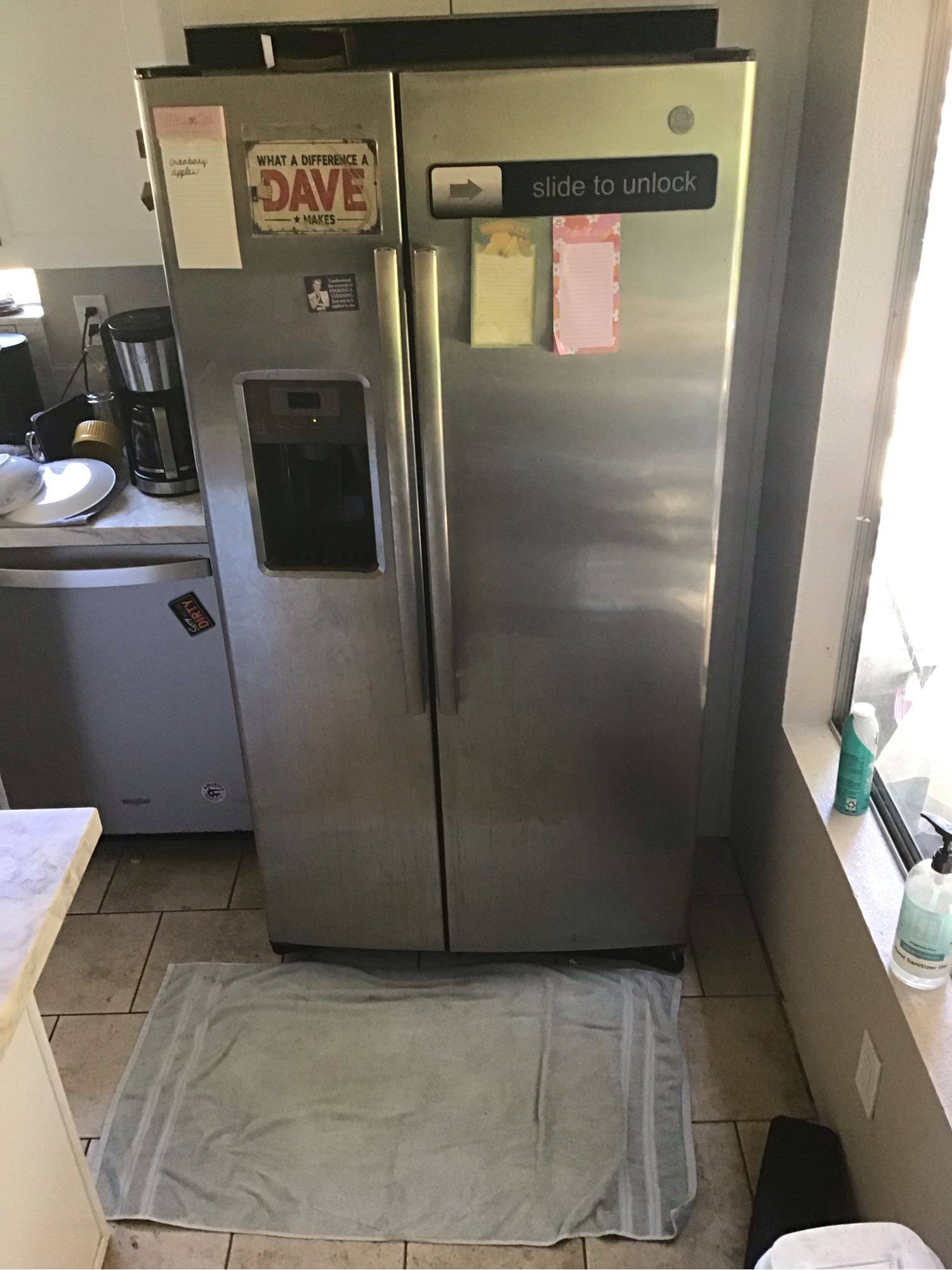
A KitchenAid refrigerator should maintain a consistent temperature throughout its fresh food compartment and freezer. When some areas are cold while others remain warm, food can spoil faster, produce may freeze unexpectedly, and the appliance may run longer than usual. Uneven cooling often points to an airflow restriction, an evaporator fan problem, or another issue affecting the refrigerator’s cooling system.
Understanding the possible causes can help you recognize when basic maintenance may solve the problem and when professional refrigerator repair is necessary.
Signs Your KitchenAid Refrigerator Has Uneven Cooling
Uneven cooling can appear in several ways. You might notice that drinks on one shelf are cold while food stored on another shelf feels warm. Vegetables near the rear air vents may freeze, even though items toward the front do not stay sufficiently chilled. The freezer might keep food frozen while the refrigerator compartment struggles to maintain its temperature. Other warning signs include longer cooling cycles, unusual fan noises, frost around the air vents, and temperature fluctuations that continue despite adjusting the thermostat. These symptoms can develop gradually. If the refrigerator previously maintained a stable temperature but now struggles to cool certain areas, inspecting the airflow system is a sensible first step.Blocked Air Vents Can Restrict Cold Air Circulation
KitchenAid refrigerators rely on strategically positioned vents to distribute cold air throughout the compartments. Depending on the model, chilled air moves from the evaporator area into the refrigerator and freezer through dedicated passages. When food containers, large packages, or improperly positioned shelves block these openings, cold air cannot circulate as intended. The area closest to the air outlet may become excessively cold, while shelves farther away remain warmer. To check for this problem, examine the interior vents and remove any items that obstruct them. Avoid packing food tightly against the rear wall, and leave enough space for air to move between containers. If the temperature improves after rearranging the contents, restricted airflow may have contributed to the problem. However, if uneven cooling continues, another component may be responsible.Dirty Condenser Coils Can Affect Cooling Performance
Condenser coils release heat removed from inside the refrigerator. When dust, pet hair, and household debris accumulate on these coils, heat transfer becomes less efficient. The compressor may have to work harder to maintain the required temperature. Although dirty condenser coils do not always cause uneven cooling directly, they can reduce overall cooling performance and make temperature problems more noticeable. Depending on the KitchenAid model, the coils may be located underneath or behind the appliance. Before cleaning, disconnect power and follow the manufacturer’s maintenance instructions. Use an appropriate coil-cleaning brush or vacuum attachment, taking care not to damage the tubing or nearby electrical components. If the refrigerator remains warm after cleaning, a technician can evaluate whether another cooling-system problem is present.A Faulty Evaporator Fan Can Prevent Proper Cooling
The evaporator fan plays a central role in distributing cold air. It moves air across the evaporator coils and circulates that cooled air through the refrigerator or freezer compartments. When the fan motor becomes worn, its blades are obstructed, or an electrical fault interrupts its operation, airflow can decrease significantly. The evaporator may become cold while the refrigerator compartment receives too little chilled air. Common symptoms include weak airflow from the vents, unusual buzzing or scraping sounds, and a freezer that stays cold while the fresh food compartment becomes warmer. The exact symptoms depend on the refrigerator’s design and the extent of the failure. Some models temporarily stop the evaporator fan when a door is opened, so the fan’s silence alone does not confirm a defect. A qualified technician can inspect the fan, check its electrical supply, and determine whether the motor or another component needs repair. Avoid removing internal panels or reaching near fan blades while the refrigerator is connected to power.Frost Buildup May Be Blocking Airflow
Excessive frost on the evaporator coils can prevent air from passing through the cooling system efficiently. This may happen when a defrost heater, defrost sensor, thermostat, or control component fails. As frost accumulates, airflow gradually weakens. The refrigerator may initially cool normally, then develop warmer areas as ice covers more of the evaporator surface. You might also notice frost around interior panels, reduced airflow, or a refrigerator that cools inconsistently over several days. A technician can inspect the evaporator area and test the defrost system to identify the underlying cause. Simply removing visible frost may provide temporary relief, but it will not correct a faulty defrost component.Temperature Sensors and Control Problems
KitchenAid refrigerators use temperature sensors and electronic controls to monitor conditions and regulate cooling. If a thermistor provides inaccurate readings, the control system may misjudge the temperature and operate the cooling components incorrectly. A malfunctioning air damper, where fitted, can also restrict the movement of cold air into the refrigerator compartment. Even when the freezer operates normally, a damper that remains closed or fails to respond correctly can leave fresh food too warm. Diagnosing these problems requires checking sensor readings, electrical connections, damper movement, and control operation. Replacing parts without proper testing can lead to unnecessary expenses and may leave the original problem unresolved.What You Can Check Before Calling a Technician
Start with a few simple checks:- Confirm that the refrigerator temperature settings match the manufacturer’s recommendations.
- Move food away from the air vents and avoid overcrowding shelves.
- Check that the doors close completely and the door seals are clean and intact.
- Listen for unusual fan noises without removing protective panels.
- Inspect and clean accessible condenser coils according to the owner’s manual.
- Monitor temperatures with an appliance thermometer to determine whether the problem affects one compartment or the entire refrigerator.