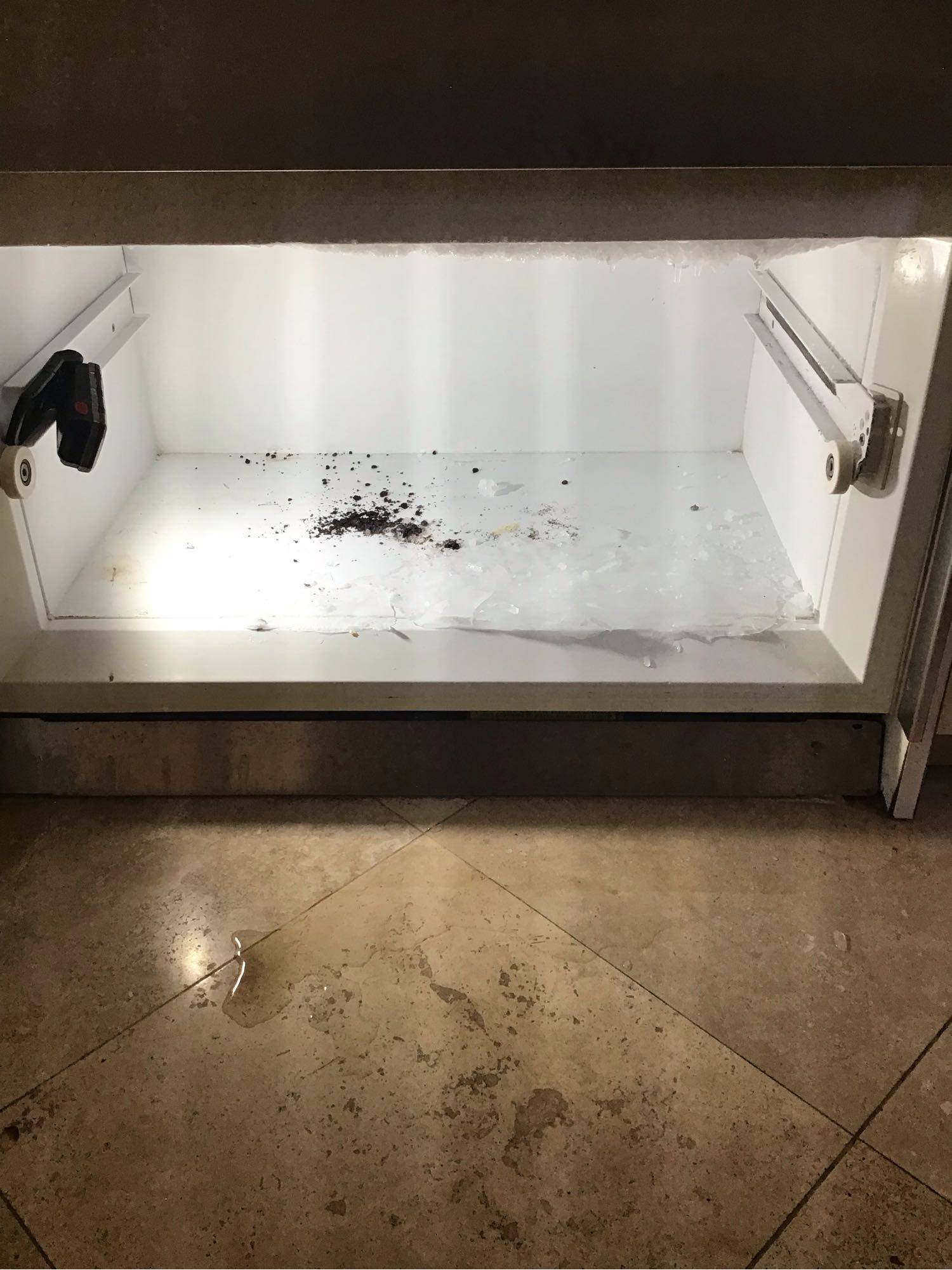
When a Samsung refrigerator has a warm fresh food compartment but the freezer continues to work normally, the problem may involve the system that distributes cold air between the two compartments. The freezer can maintain its temperature while the refrigerator section gradually becomes too warm for safe food storage. This situation often points to a faulty evaporator fan, a blocked air passage, a malfunctioning air damper, or an issue with the defrost system. Understanding how these components work can help identify the cause and determine when professional refrigerator repair is necessary.

Why the Freezer Works While the Refrigerator Is Warm

Many Samsung refrigerators use a shared or interconnected cooling system that circulates cold air through designated passages. The evaporator removes heat from the air, and a fan moves that cooled air through the appliance. Depending on the model, an air damper regulates how much cold air reaches the fresh food compartment. When one of these components fails, the freezer may continue freezing food while the refrigerator becomes progressively warmer. The compressor might still operate, and the appliance may appear to be running normally despite inadequate cooling in the upper compartment. A refrigerator that feels slightly cool but cannot maintain its set temperature may have an airflow problem rather than a complete cooling system failure. However, an accurate diagnosis requires checking the appliance’s design, temperature readings, airflow, and operating components.

Evaporator Fan Failure

The evaporator fan is responsible for moving cold air away from the evaporator and distributing it throughout the refrigerator. If the fan stops working or operates intermittently, cold air may not reach the fresh food compartment in sufficient quantities. Several symptoms can indicate a fan problem. The refrigerator may feel warm even though the freezer remains cold. You might notice unusual noises from the freezer area, or the appliance may become quieter than usual because the fan is no longer running. A failed fan motor is one possible cause, but it is not the only explanation. Ice buildup around the fan blades can prevent rotation. Damaged wiring, a faulty electrical connection, or a control issue may also interrupt fan operation. A technician can inspect the fan assembly, check for obstructions, test the motor, and verify that the component receives the correct electrical supply. Replacing the fan without checking for the underlying cause could allow the problem to return, particularly if excessive frost is restricting its movement.

Air Damper Problems

The air damper controls the flow of cold air entering the refrigerator compartment. Depending on the Samsung model, it may open or close automatically in response to temperature requirements. If the damper becomes stuck in the closed position, the freezer can remain cold while the refrigerator receives little or no chilled air. A damaged damper motor, broken linkage, obstruction, or control malfunction can produce similar symptoms. Sometimes, the damper does not fail completely. It may move inconsistently or remain partially closed, allowing some cold air into the compartment without providing enough cooling to maintain the selected temperature. A technician can inspect the damper mechanism and test its operation. If the component is defective, replacement may restore proper airflow. If the damper works correctly, further inspection of the fan, sensors, wiring, and control system may be necessary.

Frost Buildup and Blocked Air Vents

Excessive frost can interfere with cold air circulation even when the fan and damper are functioning. Samsung refrigerators use a defrost system to prevent ice from accumulating around the evaporator. If the defrost heater, temperature sensor, thermostat where applicable, or control circuitry fails, frost can gradually cover the evaporator and restrict airflow. The freezer may continue to freeze food, at least initially, while the refrigerator section loses its ability to cool effectively. Blocked air vents can create similar symptoms. Food containers placed directly against the refrigerator’s air outlets may prevent cold air from circulating. Overloading shelves can also interfere with airflow throughout the compartment. Check that food is not covering the vents and that the refrigerator has adequate space for air movement. If you notice heavy frost on the freezer’s interior rear panel, a defrost problem may be involved. Repeatedly melting the ice without identifying the cause will not provide a lasting repair.

Temperature Sensor and Control Issues

Samsung refrigerators use temperature sensors to monitor conditions in different compartments. The electronic control system uses these readings to regulate cooling, fan operation, and, where applicable, damper position. A defective sensor may report an incorrect temperature. As a result, the refrigerator may receive insufficient cooling even when the actual compartment temperature is too high. A problem with the control board or electrical connections can also disrupt communication between components. These faults are less straightforward to diagnose because similar symptoms may result from a failed fan, damper, or sensor. A professional technician can compare sensor readings with actual temperatures, inspect electrical connections, and test the relevant circuits before recommending replacement parts.

What You Can Check Before Scheduling a Repair

A few basic checks may help rule out simple causes. First, verify the refrigerator’s temperature setting and make sure the appliance has not entered a special mode that affects normal cooling. Check the user manual for the correct settings and any model-specific operating instructions. Next, make sure the air vents inside the refrigerator are not blocked by containers or groceries. Listen for unusual fan noises, but do not remove internal panels or reach into moving components. Check whether the doors close completely and whether the door seals are clean and intact. Warm air entering through a damaged seal can increase the cooling load and contribute to temperature problems. If the refrigerator remains warm, avoid repeatedly adjusting its settings in an attempt to force it to cool. The underlying fault may require testing or component replacement. Food safety also matters. The refrigerator compartment should generally remain at or below 40°F (4°C). If perishable food has been above that temperature for more than two hours, it may be unsafe to eat. Use a separate thermometer to check the actual temperature rather than relying on how cold the shelves feel.

When to Call a Refrigerator Repair Technician

If the freezer works normally but the refrigerator section stays warm, professional diagnosis can prevent unnecessary part replacements and help protect stored food. An experienced technician can evaluate the evaporator fan, air damper, defrost system, temperature sensors, and electronic controls. The repair may involve clearing an obstruction, replacing a failed motor, correcting a defrost problem, or repairing a faulty electrical component. Prompt service is particularly important if the refrigerator temperature continues rising, frost repeatedly accumulates, or the appliance makes unusual noises. Continuing to operate a refrigerator with inadequate cooling can lead to spoiled groceries and additional strain on its components. If your Samsung refrigerator is warm while the freezer works normally, contact Appliance Repair Local to schedule professional refrigerator repair. A qualified technician can identify the cause, explain the recommended solution, and help restore reliable cooling.