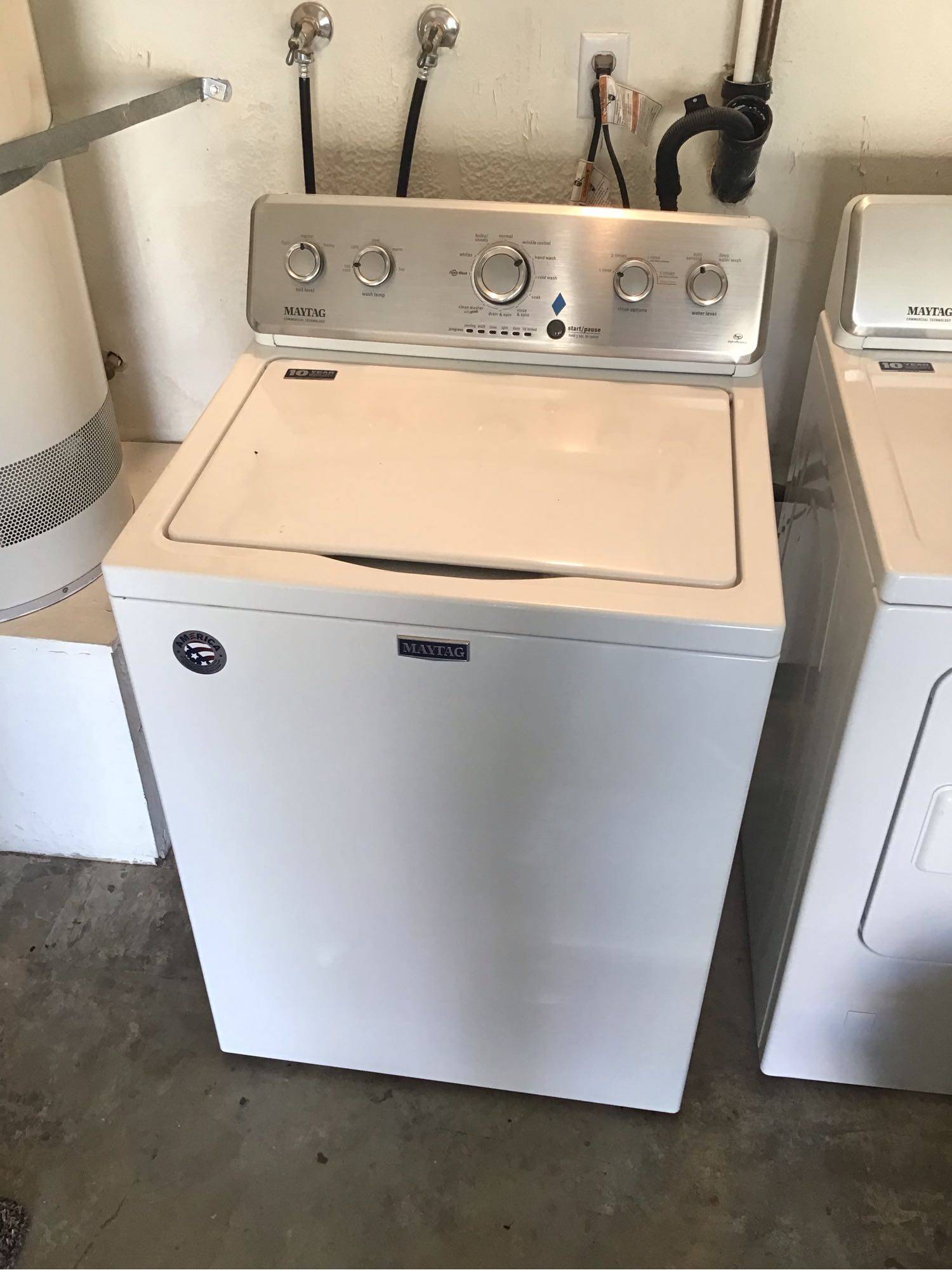
A Samsung washing machine depends on the correct water temperature to clean clothes effectively, protect delicate fabrics, and complete wash cycles as designed. When the water entering the drum is too hot, too cold, or inconsistent with the selected setting, laundry results can suffer. Clothes may come out with detergent residue, stubborn stains, or an unpleasant odor, while certain fabrics may shrink or become damaged. Incorrect water temperature can indicate a problem with the temperature sensor, water inlet valve, control board, or household water supply. Identifying the cause early can help prevent additional problems and restore normal washing performance.

Signs Your Samsung Washing Machine Has a Water Temperature Problem

One of the most common warning signs is that the washing machine does not seem to use the temperature selected on the control panel. For example, a cold wash may feel unusually warm, or a hot wash may remain cool throughout the cycle. Although modern washers regulate temperature electronically, noticeable inconsistencies can indicate a malfunction. Another symptom is poor cleaning performance. Some detergents work more effectively within specific temperature ranges, and certain stains require the appropriate wash conditions. If the water remains too cold during a warm or hot cycle, detergent may not dissolve properly, particularly when too much detergent is used or the product is unsuitable for the cycle. You might also notice that the washing machine takes longer than usual to complete a program. Depending on the model and cycle, the appliance may adjust its operation when the expected temperature is not reached. Repeated temperature-related errors, interrupted cycles, or unusual behavior on the display may also point to a problem requiring professional inspection. However, not every temperature difference indicates a defective component. Some Samsung models mix hot and cold water to achieve the selected temperature, and the door or glass may not feel hot even during a warm wash. The actual cause should be determined through testing rather than touch alone.

How a Faulty Temperature Sensor Affects Washing Performance

The temperature sensor, often called a thermistor, measures water temperature and sends information to the washing machine’s electronic control system. The control board uses this information to regulate heating or water mixing, depending on the model. When the sensor becomes damaged, its readings may be inaccurate or intermittent. The control system can then receive incorrect information about the water temperature and respond inappropriately. A defective thermistor may contribute to several symptoms, including inconsistent washing temperatures, cycles that do not behave as expected, or temperature-related error codes on compatible models. A damaged connector or corroded wiring can produce similar symptoms, even if the sensor itself remains functional. Diagnosing the problem requires checking the sensor’s electrical resistance against the manufacturer’s specifications. A technician may also inspect its wiring, connectors, and communication with the control system. Replacing the sensor without testing these components could leave the original fault unresolved. Not every Samsung washer uses the same temperature-control arrangement. Some models rely on incoming hot and cold water, while others include additional heating components. The exact diagnostic procedure depends on the appliance’s model number and design.

Water Inlet Valve Problems and Incorrect Temperatures

The water inlet valve controls the flow of water into the washing machine. Depending on the model, it may contain separate solenoids for hot and cold water connections. When the valve operates correctly, the washer receives the appropriate water supply for the selected cycle. A malfunctioning valve can prevent the appliance from receiving enough hot water or allow water to enter through the wrong supply path. For example, a failed hot-water solenoid may leave the washer filling primarily with cold water, even when a warm or hot cycle is selected. A clogged inlet screen can also restrict water flow. Mineral deposits, sediment, or debris from plumbing may accumulate at the connection between the supply hose and valve. Reduced flow can cause slow filling and interfere with the machine’s ability to obtain the expected water temperature. In some situations, a valve may not close completely, allowing water to enter when it should not. If the drum fills while the washer is idle, the inlet valve should be inspected promptly. A technician can test the valve’s electrical operation, examine the inlet screens, verify water pressure, and confirm that the hot and cold supply hoses are connected correctly. These checks help distinguish a defective valve from a plumbing problem or another component failure.

Could the Control Board Be Responsible?

The electronic control board coordinates water filling, temperature monitoring, and other washing functions. If the board has a damaged component or a faulty electrical connection, it may fail to operate the inlet valve correctly or interpret sensor signals properly. Control board problems can produce symptoms that resemble both sensor and valve failures. For this reason, replacing the board should generally be considered only after the relevant components and wiring have been tested. Power interruptions, moisture exposure, and electrical damage can sometimes contribute to control-related faults. Nevertheless, a single unusual wash cycle is not sufficient evidence that the board has failed.

What You Can Check Before Calling a Technician

Several basic checks can help identify simple causes of incorrect water temperature. First, verify that the selected cycle and temperature setting match your expectations. Some programs automatically limit temperature options to protect fabrics or improve energy efficiency. Next, check that both hot and cold water supply taps are open, if your model uses both connections. Inspect the external hoses for visible kinks or crushing that could restrict water flow. If the appliance was recently installed or moved, confirm that the hoses are connected to the correct supply lines. You can also consult the user manual for model-specific error codes and recommended troubleshooting steps. If the washer repeatedly produces unexpectedly hot water, shows temperature-related errors, or fails to complete cycles, stop using it until the problem has been assessed. Do not open the appliance’s electrical compartments or test internal components while it is connected to power. Water and electricity create serious hazards, and internal repairs require appropriate training and equipment.

Why Professional Samsung Washing Machine Repair Matters

Accurate diagnosis can prevent unnecessary replacement of expensive parts. A technician can evaluate the temperature sensor, inlet valve, wiring, water supply, and control board to determine which component is responsible for the malfunction. Professional repair also helps identify related problems, such as restricted water flow or deteriorated electrical connections. Once the fault is corrected, the technician can verify that the washing machine fills properly and operates according to the selected cycle. Delaying repairs may lead to continued poor washing results, interrupted laundry routines, or additional component problems. Addressing temperature irregularities early can help restore reliable performance and extend the useful life of the appliance. If your Samsung washing machine consistently uses water that is too hot or too cold, professional diagnosis is the most reliable way to determine the cause. Need help with a Samsung washing machine that uses the wrong water temperature? Contact Appliance Repair Local to schedule a service appointment. A qualified technician can inspect the temperature sensor, water inlet valve, and related components to identify the fault and recommend the appropriate repair.