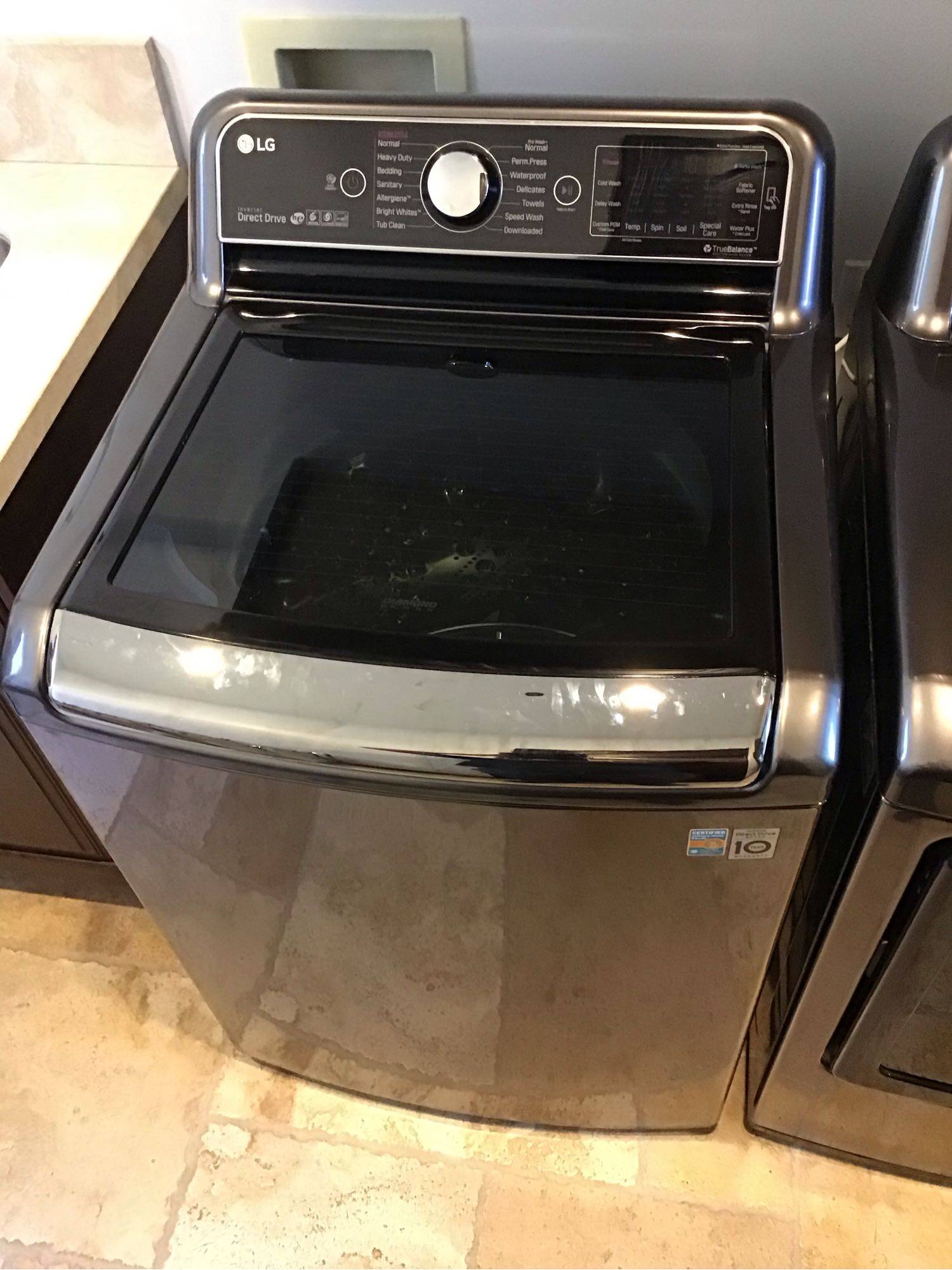
A Samsung washing machine that fills with water, washes normally, but refuses to spin can leave clothes soaking wet at the end of the cycle. In many cases, the problem is related to the motor, Hall sensor, or another component responsible for controlling drum movement. A spin failure should be diagnosed carefully because several different issues can produce similar symptoms.

Why a Samsung Washer May Stop Spinning

The spin cycle requires several systems to work together. The control board must receive information from sensors, the motor must rotate the drum, and the washer must be able to drain the water before high-speed spinning begins. If one of these functions fails, the machine may stop the cycle or complete it without spinning. You may notice that the drum moves slowly during washing but does not accelerate during spin. In other cases, the drum may remain completely still while the washer continues running. One of the first things to check is whether water remains inside the drum. A washer generally will not enter a high-speed spin if it cannot drain properly. A clogged filter, drain hose, or failing drain pump can therefore create symptoms that look like a motor problem.

Possible Motor Failure

The drive motor is responsible for rotating the drum during both washing and spinning. If the motor has an electrical or mechanical problem, the washer may struggle to turn the drum or fail to spin completely. A failing motor can produce several warning signs. The drum may rotate intermittently, stop under load, or make unusual noises. In some cases, the washer may display an error code associated with motor operation. Modern Samsung washers use electronically controlled motors, which means the problem may involve the motor itself, its wiring, or the electronic system controlling it. Simply replacing the motor without testing the rest of the circuit can lead to unnecessary expense. A technician can check the motor connections, inspect wiring for damage, test electrical components, and determine whether the motor is receiving the correct signals and power.

Hall Sensor Problems

The Hall sensor, also called a rotor position sensor on some Samsung models, helps the control system determine the motor’s speed and position. This information allows the washer to regulate drum movement accurately. If the Hall sensor fails or sends incorrect information, the control board may not know how quickly the motor is turning. As a result, the washer may refuse to enter the spin cycle, stop unexpectedly, or repeatedly attempt to accelerate the drum. A damaged connector or wiring issue can create similar symptoms. Moisture, vibration, corrosion, or physical damage may affect the sensor circuit over time. Because the Hall sensor is directly involved in motor feedback, testing it can help distinguish a sensor problem from an actual motor failure.

Other Problems That Can Prevent Spinning

Motor and Hall sensor failures are possible causes, but they are not the only ones. An overloaded drum can prevent the washer from reaching the required spin speed. Large items such as blankets or towels may become unevenly distributed, causing the machine to reduce or cancel the spin cycle to prevent excessive vibration. A door lock problem can also interfere with spinning. The washer needs confirmation that the door is securely locked before it can operate at high speed. Drainage problems are another common possibility. If water cannot leave the tub, the control system may prevent the spin cycle from starting. Checking the drain filter and hose can sometimes reveal a simple blockage. The control board itself may also be involved. If the board cannot correctly interpret sensor signals or control the motor, the washer may fail to spin even when the motor and sensor are functioning properly.

What You Can Check Safely

Before scheduling a repair, make sure the washer is not overloaded and check whether there is standing water inside the drum. You can also inspect the drain hose for obvious kinks and make sure the washer is sitting level. If the machine stops with an error code, record the code and provide it to the technician. It can be useful during diagnosis. Avoid repeatedly running the washer when the drum is making unusual electrical or mechanical noises. Continuing to operate a washer with a failing motor or damaged electrical component can potentially make the problem worse. Internal motor and sensor testing should be handled by a qualified appliance technician. These components require electrical diagnosis, and accessing them may involve removing panels or working around energized circuits.

Professional Samsung Washing Machine Repair

When a Samsung washer will not spin, replacing random parts is rarely the best approach. The same symptom can come from a motor, Hall sensor, wiring, drain system, door lock, control board, or load imbalance. A professional diagnosis identifies the actual source of the problem and determines which component needs attention. This can help avoid unnecessary parts replacement and restore the washer to reliable operation. If your Samsung washing machine fills and washes but leaves clothes soaking wet because the drum will not spin, contact Appliance Repair Local. A qualified technician can inspect the washer, diagnose the motor or Hall sensor system, and recommend the appropriate repair. Call Appliance Repair Local today to schedule Samsung washing machine service and get your washer back to proper working condition.