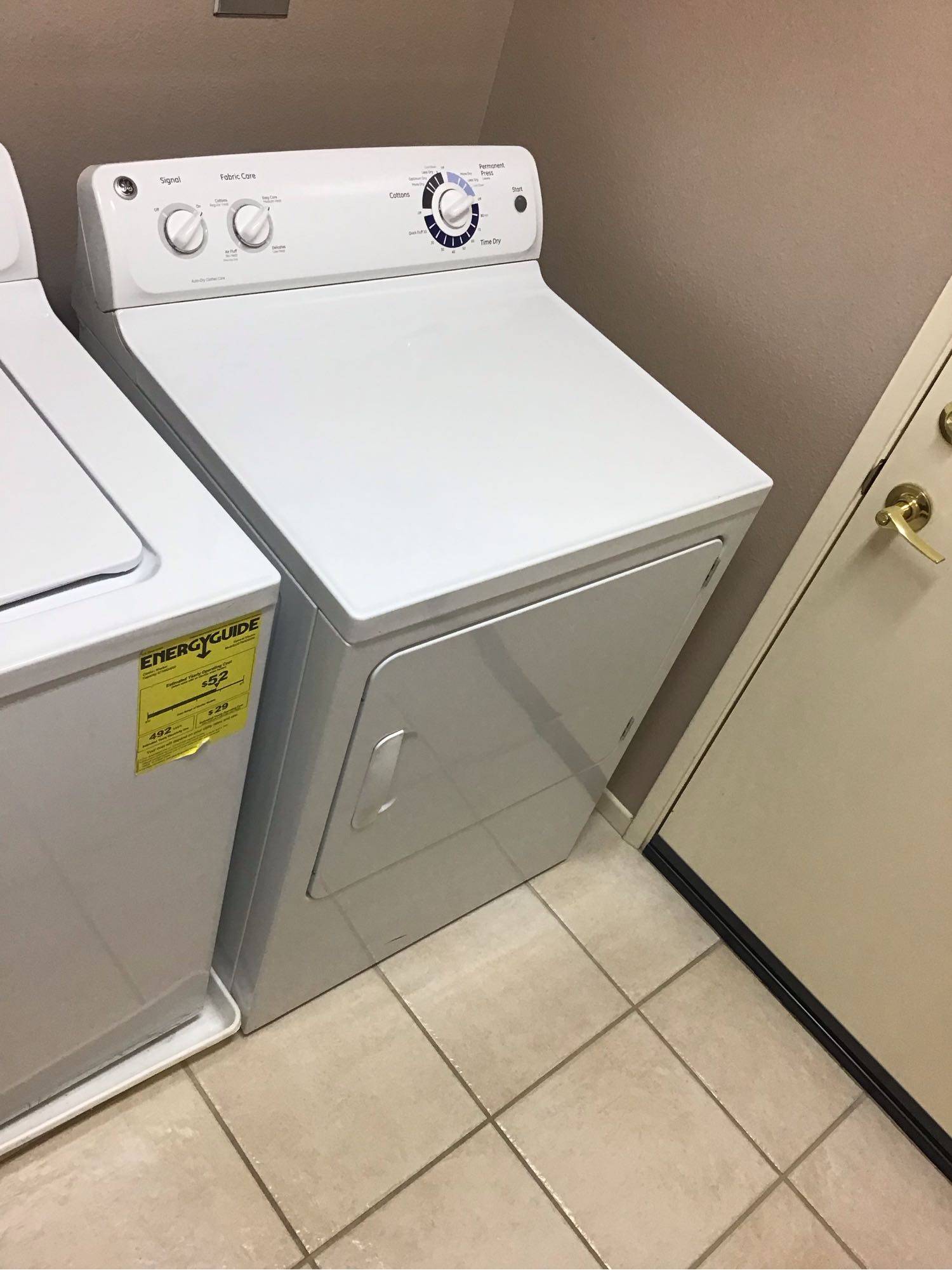
A Kenmore washing machine that fills with water but fails to agitate during the Heavy Duty cycle may have a problem with its shift actuator, drive system, or another component responsible for drum movement. The washer may appear to run normally at first, yet clothes remain poorly washed, detergent residue stays on fabrics, or the cycle finishes without properly cleaning the load. The Heavy Duty cycle is designed for sturdy fabrics, towels, work clothes, and other heavily soiled items. It typically uses a more intensive wash action than delicate or normal programs. If the washer cannot move its agitator or wash plate as intended, it may struggle to remove dirt and distribute detergent throughout the load. Understanding the possible causes can help you recognize when professional appliance repair is necessary.

How the Shift Actuator Affects Agitation

Many Kenmore top-load washers use a shift actuator to control the transition between agitation and spinning. Depending on the washer design, the actuator moves or engages parts of the drive mechanism so the machine can perform the correct action at each stage of the wash cycle. When the shift actuator fails, the washer may not engage the agitation mechanism properly. The motor might run, but the agitator or wash plate may remain stationary, move intermittently, or behave as though the machine is preparing to spin instead of wash. Other symptoms can include unusual clicking sounds beneath the tub, repeated attempts to start agitation, incomplete cycles, or an error code on models equipped with diagnostic displays. A damaged actuator connector, broken wiring, or a control problem can produce similar symptoms. Therefore, replacing the actuator without testing the electrical connections and drive response may not resolve the issue.

Drive System Problems That Prevent Agitation

The drive system transfers power from the motor to the washer’s transmission, basket, agitator, or wash plate. Its exact configuration depends on the Kenmore model. If a drive component wears out or breaks, the washer may fill and drain correctly but fail to agitate. A worn drive belt, damaged splutch assembly, faulty transmission, or stripped drive components may prevent the necessary movement. Some washers produce a humming or grinding sound when the motor attempts to turn a mechanism that cannot engage properly. Others remain unusually quiet because the motor is not receiving the correct command or the drive system is not activating. The difference between these failures matters. A defective actuator may prevent the drive system from switching modes, while a damaged belt or mechanical component may prevent movement even when the actuator functions correctly. A technician can inspect the drive assembly and test the relevant components to determine where power transmission is being interrupted.

Why the Problem May Appear Only on Heavy Duty

If your Kenmore washer agitates during Normal or Quick Wash but stops working on Heavy Duty, the cycle-specific pattern provides a useful diagnostic clue. Different wash programs can use different agitation speeds, durations, pauses, and movement patterns. A component that works intermittently may fail when the washer requests a particular type of movement. A weakened drive component may also struggle under a demanding load. However, the Heavy Duty setting is not necessarily the cause of the problem. The failure may become noticeable on this cycle simply because its agitation pattern differs from other programs. An overloaded drum can also restrict movement or place additional stress on the drive system. Bulky towels, heavy workwear, and bedding can become unevenly distributed, making it harder for the washer to operate correctly. Try running an appropriate cycle with a smaller load, following the manufacturer’s loading instructions. If the washer still fails to agitate, the problem may require further diagnosis.

Other Components Worth Checking

Although the shift actuator and drive system are possible causes, several other faults can prevent proper agitation. A damaged motor coupling or worn internal transmission component may interrupt the transfer of power. On some models, a faulty lid lock can prevent the washer from proceeding with normal operation. A motor problem, damaged wiring, or malfunctioning electronic control board may also stop the agitation command from reaching the drive system. The agitator itself may be damaged. On applicable models, worn agitator dogs or stripped internal splines can prevent the agitator from moving correctly even when other drive components operate. Water-level sensing problems can also interfere with cycle progression if the washer incorrectly detects the water level or fails to advance through the programmed sequence. Because these components can produce overlapping symptoms, diagnosis should be based on the washer’s model number, operating behavior, stored error codes, and test results rather than assumptions alone.

What You Can Check Before Calling a Technician

Start by checking the load. Remove some items if the tub is packed tightly, and redistribute heavy garments that may have collected on one side. Next, confirm that the washer is level and that the lid closes securely. Check the displayed cycle status for an error message or an indication that the program has paused. If the washer has stopped responding, consult the owner’s manual for the recommended reset procedure. Disconnect power before performing any permitted external inspection, and never remove internal covers or reach beneath the machine while it is connected to electricity. Avoid repeatedly restarting a washer that makes grinding noises, produces a burning smell, or attempts to move without success. Continued operation could worsen damage to the drive assembly or motor. If a smaller load and a reset do not restore agitation, professional diagnosis is the next step.

Why Professional Kenmore Washer Repair Is Important

Accurate diagnosis helps prevent unnecessary part replacements and recurring failures. A qualified appliance repair technician can inspect the shift actuator, check its electrical connections, evaluate the motor and drive components, and determine whether the control system is issuing the correct commands. The technician can also examine the belt, splutch, transmission, agitator, or wash plate where applicable to the specific model. Once the cause has been identified, the damaged component can be repaired or replaced as needed. After the repair, the washer should be tested through the relevant operating stages to confirm that it agitates, drains, and spins correctly. Testing the Heavy Duty cycle is particularly useful when that is the program where the problem first appeared. Prompt repairs can help prevent further mechanical wear, restore proper washing performance, and reduce the risk of clothes remaining dirty after a completed cycle.

Schedule Kenmore Washing Machine Repair Today

A Kenmore washer that will not agitate on the Heavy Duty cycle may have a faulty shift actuator, worn drive components, or an electrical or control issue. Ignoring the symptoms can leave laundry poorly cleaned and may allow a mechanical problem to become more serious. Contact Appliance Repair Local to schedule professional Kenmore washing machine repair. Our team can help identify why your washer is not agitating, determine which components need attention, and recommend the appropriate repair for your model. Call Appliance Repair Local today to request service and get your washing machine back to working properly.